
Podcast: Download (Duration: 37:18 — 43.0MB)
Teaching kids entrepreneurship works better when students build a real online store than when they hand-make inventory for a one-night trade show. The traditional model has students spend most of their time manufacturing product, which crowds out the skills that actually determine business success: marketing, sales copy, value propositions, and presentation.
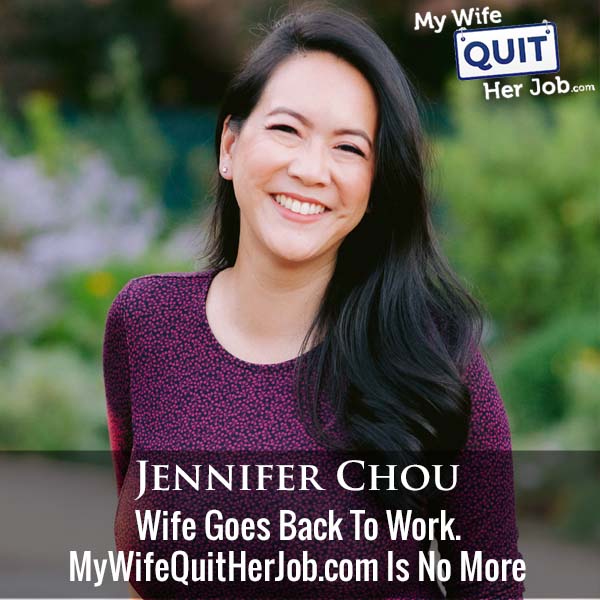
In this episode my wife Jen joins me to talk through a real decision we are facing. She has been offered a part-time position teaching the entrepreneurship program at our daughter’s school, a program that has run for over a decade and now wants to return to its pre-pandemic format. I think we should build our own program instead.
Below is the whole debate: what changed in the program during the pandemic, why the maker-focused model has real value alongside real limitations, the institutional constraints that killed our print-on-demand proposal, and the honest pros and cons on both sides.
Get My Free Mini Course On How To Start A Successful Ecommerce Store
If you are interested in starting an ecommerce business, I put together a comprehensive package of resources that will help you launch your own online store from complete scratch. Be sure to grab it before you leave!
Table of Contents
Key takeaways
- The old model prioritizes making over marketing. Students spend most of their time manufacturing, leaving little time for the skills that decide outcomes.
- Marketing beat product quality at the actual fair. Ordinary products with strong positioning sold out. Genuinely cool products with weak messaging did not.
- The pandemic version added ecommerce and it was better. Websites, pitch videos, and sales copy replaced pure production time.
- Print-on-demand was rejected because students might make too much money. A concrete example of institutional constraint.
- Making product still teaches real lessons. Iteration, cost reduction, and process improvement come from physically producing at volume.
- The best fix may be a hybrid. Sell first, then manufacture against pre-orders, which is how real businesses operate.
- Starting your own program feels riskier than it is. The actual downside is close to zero, and the resistance is mostly ego and unfamiliarity.
How the traditional school entrepreneurship fair works
The traditional school entrepreneurship program has students design a physical product, pitch it to a panel of real venture capitalists who bid on and fund the project, then manufacture the product by hand and sell it at a trade-show-style fair.
Living in Silicon Valley means the VC panel is genuinely composed of working investors, which makes the pitch component real rather than theatrical. Students present their sales figures on fair night and try to secure an investor.
The program has run this way for over a decade at our daughter’s school and it is a strong program. It is one of the main reasons we chose that school. The question is whether the format has aged well.
Why the old model teaches the wrong priorities
The old model teaches the wrong priorities because students can only sell what they physically make, so nearly all their available time goes into manufacturing rather than marketing, positioning, or copywriting.
The scarce resource in a student business is time, and hand-producing 100 units consumes it. What gets squeezed out is exactly what determines whether a business succeeds: how you describe the product, who you describe it to, and why they should care.
Realistically, almost no student will hand-manufacture product at volume in their future career. Many will need to write a product description, build a landing page, or explain a value proposition.
What the pandemic version of the program added
The pandemic version of the program added ecommerce, and it was a significant improvement. With students at home, the fair moved online, which meant real websites, pitch videos, and written sales copy replaced most of the production time.
Ecommerce is where retail is going. It crossed 18-19% of all US retail sales during the pandemic, and the pandemic itself destroyed a substantial number of brick-and-mortar businesses. Teaching kids to sell online is teaching them the actual current market.
The video component was the other unexpected win. Pitch videos pushed students into creative work (framing, presentation, storytelling) that a physical booth does not require.
Why marketing beat product quality at the fair
Marketing beat product quality at the actual fair, which is the clearest evidence for rebalancing the curriculum. Watching the presentations, students with unremarkable products but strong positioning sold out. Students with genuinely interesting products but weak messaging did not.
The teams that failed to sell out had extremely niche products framed narrowly: essentially “if you do this specific activity, buy this.” Reframing the same product around supporting a community would have widened the market substantially without changing the product at all.
The product has to be decent. Past that threshold, marketing decides the outcome, and that is a teachable skill that the current format leaves mostly untaught.
What making physical products actually teaches
Making physical products teaches iteration, cost reduction, and process improvement in a way no amount of website building can replicate. Producing at volume forces students to discover that a different assembly order halves the time, or that a material substitution cuts cost.
That maker experience is genuinely valuable, and the school’s commitment to prototyping and iteration is well-founded. Dismissing it entirely would lose something real.
The honest gap in a print-on-demand curriculum is exactly this. Print-on-demand teaches design, storefront operation, and marketing, and it removes the manufacturing feedback loop that teaches operational thinking.
The hybrid model: sell first, then manufacture
The hybrid model that fixes the time-allocation problem is to sell first and manufacture second. Students build the website, market the product, take pre-orders on fair night, and then spend the following month producing against actual orders.
This is how real businesses increasingly operate, and it inverts the current constraint. Instead of production capacity limiting sales, actual demand determines production.
It also preserves the maker learning. Students still manufacture at volume, still hit the iteration and cost-reduction lessons, and they do it knowing exactly how many units they need rather than guessing.
What institutional constraints look like in practice
Institutional constraints in an established school program are real and specific. Our print-on-demand proposal was rejected on the grounds that students might make too much money, which is a genuine example of the kind of limit you accept when you work inside an existing structure.
There were also accounting and administrative restrictions during the fair Jen ran, the ordinary friction of operating inside a system with established processes.
None of this is unreasonable from the school’s perspective. It does mean that anyone taking the teaching position should expect to negotiate rather than simply implement, and that changing a decade-old program requires political capital as much as good ideas.
The case for taking an established teaching position
The case for taking the established position is that the infrastructure already exists. There is a curriculum, a student population, a schedule, and no business registration, marketing, or enrollment problem to solve.
Starting from a proven decade-old curriculum and making incremental changes is far less daunting than building a program from nothing. The foundation is good, and modernizing it is a smaller job than inventing it.
There is also the credential question, though in this case it matters less. If the long-term goal is not full-time classroom teaching, a formal school position on a resume has limited value beyond the work itself.
The case for building your own program instead
The case for building your own program is complete curriculum freedom, no institutional constraints, no multi-year commitment to an employer, and meaningfully better economics.
The compensation on the part-time school position works out to roughly the cost of hiring another employee at our store, which means the net financial outcome is close to break-even. Neither of us is doing this for money, and losing money to do it is a different proposition.
The commitment matters too. Taking the school position responsibly means staying several years, since churning teachers is unfair to the program and the students. That is a real constraint on a decision made partly out of a desire for change.
A summer program could also run virtually, which removes the geographic ceiling entirely.
The honest reason starting something new feels risky
The honest reason starting your own program feels risky is that it is unfamiliar, not that the downside is large. The actual financial risk is close to zero, and the outcome most likely to hurt is pride if it does not work.
Jen’s stated concern is having never formally taught, which is worth examining. She ran the entrepreneurship fair for two years, started a fair at our kids’ elementary school, and led a Girl Scout troop.
The experience is there. The credential is not, and those are different things.
This is essentially imposter syndrome with a specific shape: feeling that you need institutional permission to do work you are already doing. The same instinct pushed me toward a traditional publisher for my book rather than self-publishing, and that was largely ego too.
What a print-on-demand kids program would look like
A print-on-demand kids entrepreneurship program would have students design artwork, apply it to products, build a free storefront, and finish the program with a live store capable of taking real transactions.
The mechanics work well for students because print-on-demand requires no upfront inventory purchase. The product is only produced when someone orders it, so a student can launch a real business with essentially zero capital.
The program shape: two to three weeks, ending with a functioning website, real products, working checkout, a documented value proposition, and a final presentation. The store keeps operating afterward if the student wants it to.
The proof this works is in our own house. Our daughter is on her second store now, selling her own jewelry, adding products on her own initiative, and managing the site herself without either of us pushing her.
Frequently asked questions
What is the best way to teach kids entrepreneurship?
Balance making with marketing. Traditional programs have students hand-manufacture inventory for a single fair, which consumes most of the available time. Adding real website building, sales copy, and pitch videos teaches the skills that actually determine business outcomes, since marketing consistently outperformed product quality at the fairs we observed.
Should kids make physical products or sell online?
Both, ideally in that order reversed. Selling first through a real online store and then manufacturing against pre-orders preserves the operational lessons of production (iteration, cost reduction) while removing the constraint where production capacity caps sales.
Is print-on-demand good for teaching kids business?
Yes, because it removes the capital barrier entirely. Products are only produced when someone orders, so a student can launch a genuine business with no upfront inventory cost. The tradeoff is losing the manufacturing feedback loop that teaches process improvement.
Why do school entrepreneurship programs resist ecommerce?
Institutional constraints. One specific rejection we received on a print-on-demand proposal was that students might make too much money. Established programs also carry accounting restrictions, administrative processes, and a decade of curriculum inertia that resists change.
Does marketing matter more than product quality for young entrepreneurs?
Past a minimum quality threshold, yes. At the fairs we observed, students with ordinary products and strong positioning sold out, while students with genuinely interesting products and narrow messaging did not. Reframing a niche product around a broader community widens the market without changing the product.
What skills should a kids entrepreneurship program teach?
Website building, marketing, sales copywriting, value proposition development, product photography, and presentation. Business plan writing and formal VC pitching are less useful now, since crowdfunding and bootstrapping have replaced formal funding processes for most small businesses.