
Podcast: Download (Duration: 53:12 — 61.2MB)
The best reason to start a podcast for your business is not downloads or ad revenue. It is that everyone says yes to being a guest, which gives you a standing excuse to have a 90-minute conversation with almost anyone you want to know. After 400 episodes across eight years, that access is what actually changed my business, and I would keep doing it even if it never made a dollar.
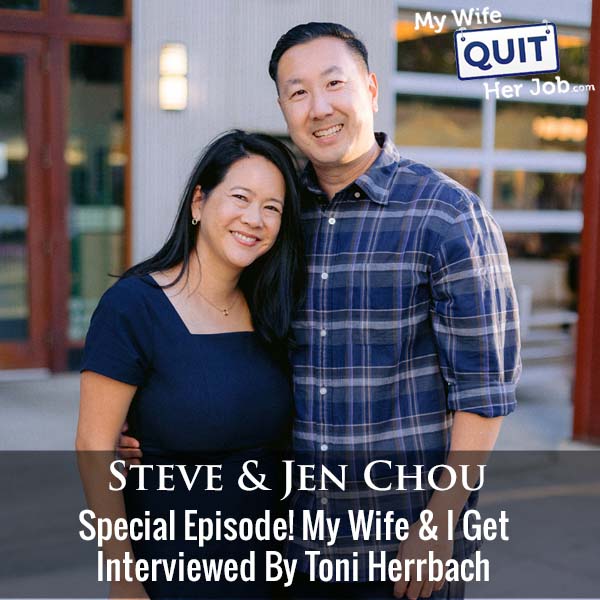
In this milestone episode my business partner Toni Herrbach interviews my wife Jen and me about the podcast: why I started it, what I would do differently, and what eight years of weekly interviews actually produced.
Below is what I have learned: why interview format sustains a show, how to book guests you have never met, how to handle a bad interview, when to hire an editor, and why the most valuable material happens after the recording stops.
Get My Free Mini Course On How To Start A Successful Ecommerce Store
If you are interested in starting an ecommerce business, I put together a comprehensive package of resources that will help you launch your own online store from complete scratch. Be sure to grab it before you leave!
Table of Contents
Key takeaways
- Start a podcast to meet people, not to build an audience. Everyone says yes to being a guest.
- The best material happens off the record. Guests reveal more once recording stops.
- Interview format is what makes 400 episodes possible. Solo shows are far harder to sustain.
- Coordinate mutual friends to pitch on the same day. Multiple simultaneous introductions get attention.
- Ask what is off limits before recording. It prevents the interview from going somewhere the guest regrets.
- Podcasts grow slowly. Roughly two years before people started recognizing me from it.
- Sponsors came unsolicited around year two. No pitching required.
- Your network matters more than tactics. The biggest changes in our business came from conversations.
Why start a podcast if you have a business?
The reason to start a podcast is access. Everyone wants to be a guest, so a podcast gives you a standing reason to reach out to almost anyone and spend 90 minutes in real conversation with them.
I started for exactly that reason and never ran it to be popular. I do not track how well individual episodes perform, because that was never the point. If someone is interesting, the episode is worth doing regardless of downloads.
The compounding effect over eight years: most of the people I talk to regularly now are people I met through the podcast or at conferences, rather than locally. That network has driven more business change than any tactic.
Why interview format sustains a show
Interview format is what makes a weekly show sustainable for eight years. Solo episodes are genuinely hard, and a conversation generates its own material.
I can go into an interview with zero preparation and have it work, because whatever the guest says opens the next question. Frequently one small detail becomes an entire episode.
That also means the show never runs dry. A solo show depends entirely on your own supply of ideas. An interview show depends on other people’s, which is effectively unlimited.
How to book guests you have never met
The tactic that reliably works: find the person’s friends on Facebook, identify mutual connections, and ask several of them to email that person on the same day pitching your show.
Receiving multiple independent introductions in a single day creates the impression you are worth meeting. It has worked on several occasions.
The prerequisite is not being a complete stranger. I rarely cold pitch. Usually I have met the person briefly at an event, which serves two purposes: they know who I am, and I know whether they can hold a conversation.
That screening matters more than it sounds. Two bad interviews taught me to meet people first.
What to do when an interview goes badly
Two options depending on severity. For a notable guest whose interview was weak, publish it and cut heavily. I once cut roughly 30% of an episode.
For an interview that clearly will not work, stop it during recording. I have said within fifteen minutes that this was not going to work, and we ended there. That episode never ran.
The preventive measure is asking every guest before recording whether there is anything they do not want asked about, then respecting it. It costs nothing and prevents the situation entirely.
Why the best material happens off the record
A large share of the most valuable material comes from the time before and after recording. Guests share numbers, mistakes, and specifics they will not put on public record.
My typical call runs about 90 minutes for a 40-minute episode. The extra hour is where the genuinely useful information lives.
That is also the practical argument for a podcast as a business tool. You are not primarily producing content. You are buying an hour of unguarded conversation with someone accomplished.
The specific tactics I have learned from guests
Concrete examples of things that changed how I operate:
Email sending order. From Kyle at The Penny Hoarder: stagger your sends. Send to your most engaged segment first, which trains the ISPs to expect high open rates, then send to less engaged segments. It measurably improves overall open rate.
Hiring an SEO consultant. I am generally skeptical of SEO people, and the interview with Jeff Oxford convinced me otherwise. I now work with him.
SMS implementation. Postscript’s team helped me implement text marketing on Bumblebee Linens. I only later discovered the person answering my technical support questions was the CEO.
Jen’s assessment: the biggest changes in our business have consistently come from information learned through the podcast, a conference, or a conversation, rather than from research.
How long before a podcast gains traction
Podcasts grow slowly. It took roughly two years before people started recognizing me from the show, and that is normal rather than a sign of failure.
Sponsors arrived around year two, unsolicited. I never pitched anyone. The first was a tool I already used, which made it straightforward.
For guest booking, I ran on friends for about the first year, then began asking people I had met more briefly.
When to hire a podcast editor
I edited my own show for at least a year and hired an editor before the podcast made any money, because the blog was profitable enough to subsidize it and I disliked editing enough to pay to stop.
The reasoning generalizes: if another part of your business can cover it and the task is the thing making you want to quit, hire it out before the revenue justifies it on its own.
An editor also does real work for your guests. Removing verbal tics makes them sound better, which matters when you are asking people for their time.
How to handle profanity and edit requests
On profanity: Apple requires you to mark episodes as explicit, and getting that wrong causes problems. For guests with a more casual style, I ask them to keep it minimal and have the editor beep anything that slips through, which preserves a clean rating.
On edit requests: I always honor them. One guest asked me to cut a genuinely minor comment, and it was buried in the flow enough that I had to remove a larger section. I did it anyway.
The principle is simple. I am not in the business of upsetting people who agreed to help me.
What I would do differently
The one real regret is going too cheap at the start. A few mid-run episodes have noticeably worse audio because I economized on equipment.
That instinct has not gone away, and I recognize it as a personal trait rather than a solvable problem. The reasonable version is to spend properly on the things that permanently affect quality, since audio problems cannot be fixed later.
The direction I would like to go: recording video for YouTube, and eventually traveling with a portable setup to interview larger names in person.
Why your network beats your tactics
The most important thing I have learned across 400 episodes is that the biggest factor in business success is your network and the people you have access to, rather than any particular strategy.
Most people underestimate this substantially. You can learn every tactic available and still be limited by who you know.
The practical benefit compounds in unexpected ways. I can now travel almost anywhere, send one email asking who wants to meet up, and get responses.
Frequently asked questions
Why should you start a podcast for your business?
For access rather than audience. Everyone says yes to being a guest, so a podcast gives you a standing reason to spend 90 minutes with almost anyone you want to know. Over eight years, that network has produced more business value than the downloads ever did.
Is interview format or solo format better for a podcast?
Interview format is far more sustainable. Solo episodes depend entirely on your own supply of ideas, while conversations generate their own material. You can go into an interview with no preparation and have it work, because each answer opens the next question.
How do you get guests you have never met?
Find mutual connections on Facebook and ask several of them to email that person on the same day pitching your show. Multiple independent introductions in one day get attention. Meeting people briefly at events first also screens for whether they can hold a conversation.
What do you do if a podcast interview goes badly?
For a notable guest with a weak interview, publish it and cut heavily. For one that clearly will not work, end it during recording. The preventive step is asking every guest beforehand what is off limits, then respecting it.
How long does it take for a podcast to gain traction?
Around two years before people started recognizing me from mine. Sponsors also arrived around year two, unsolicited. Podcasts grow slowly, and slow early growth is normal rather than a sign the show is failing.
When should you hire a podcast editor?
Once editing becomes the thing making you want to quit, and before the podcast justifies it on revenue if another part of your business can cover it. I edited my own for over a year and hired someone while the show was still making nothing.
Does a podcast help a business that sells physical products?
Indirectly and substantially. Podcast listeners are not buying our handkerchiefs, and the tactics learned from guests apply directly to the ecommerce business. Email sending order, SEO help, and SMS implementation all came from podcast conversations.