
Podcast: Download (Duration: 50:52 — 58.5MB)
You should sell podcast ads from your very first episode, even with zero listeners. Listeners who hear ads from the beginning accept them as normal, while shows that introduce ads later face genuine backlash. Joe Saul-Sehy signed a $200-per-month Fidelity Investments sponsorship when Stacking Benjamins had roughly 1,200 listeners, purely so he could say the name on air.
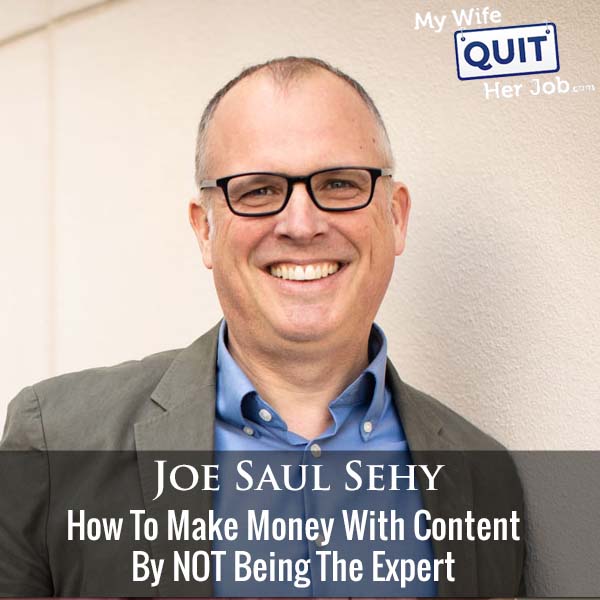
In this episode I sat down with Joe Saul-Sehy, host of Stacking Benjamins (180,000 weekly downloads) and author of Stacked: Your Super Serious Guide to Money Management, to talk about building an audience and monetizing content.
Below is the whole breakdown: why ads from day one is the right call, how to price sponsorships correctly, why storytelling beat SEO for his blog, the Car Talk insight that shaped the show, and what paid marketing actually does for a podcast.
Get My Free Mini Course On How To Start A Successful Ecommerce Store
If you are interested in starting an ecommerce business, I put together a comprehensive package of resources that will help you launch your own online store from complete scratch. Be sure to grab it before you leave!
Table of Contents
Key takeaways
- Run ads from episode one. Listeners conditioned to ads never object. Adding them later generates real backlash.
- Charge per mention, not per episode. Two mentions per episode means double the CPM.
- Take a small deal with a big brand. $200/month from Fidelity was worth it purely for the name recognition.
- Deliberately not being the expert widened the audience. Two guys who might know something beats two authorities.
- Storytelling beat SEO. The blog stalled; the pivot to stories and then podcasting is what worked.
- Growth stalled hard at ~30K downloads per episode. That is where paid marketing became necessary.
- Email lists are hard from podcasts. 8,000 subscribers against 180,000 weekly downloads.
- Tell advertisers bad news first. Self-reporting an overbilling error strengthened the relationships.
Why you should run podcast ads from episode one
Sell advertising from your first episode even with no audience, because listeners who encounter ads from the start accept them as part of the show. Introducing ads to an established audience produces genuine anger.
Joe’s own experience as a listener taught him this. He was listening to Giant Bomb, a video game podcast with no ads, when a Casper mattress read appeared mid-run. His immediate reaction was that they had sold out, and he later realized he only felt that way because the ads had not been there originally.
Shows that monetize late frequently spend two or three episodes apologizing to their audience over hate mail. That is entirely avoidable.
The practical starting point with no listeners: sign up for an affiliate network like Commission Junction, find a recognizable brand that permits podcast placement, and run it. Joe used Hotels.com and earned almost nothing, and “brought to you by Hotels.com” made the show sound established.
How to price podcast sponsorships
Price per mention rather than per episode. Most advertisers want a pre-roll and a mid-roll, which is two mentions, so a $25 CPM becomes $50 per episode rather than $25.
Joe was undercharging by exactly half until we discussed it, applying his CPM once per episode while delivering two reads.
His broader position: CPM is the worst way to price. A flat fee well above the CPM equivalent is better when you have an engaged audience that trusts your endorsements. CPM is the floor, not the target.
He deliberately keeps his rate at roughly $25 CPM despite being able to charge more, because he prefers long-term relationships with advertisers who stay over the constant churn of finding new ones. Some sponsors have grown their spend 100x over the years.
Why a small deal with a big brand is worth taking
Take a small deal with a recognizable brand, because the credibility transfer is worth more than the revenue.
Joe approached Fidelity Investments at FinCon when Stacking Benjamins had about 1,200 listeners. When asked how much he wanted, his instinct was to charge a lot because Fidelity is enormous. He caught himself and asked what the actual return was: extracting money from Fidelity, or being able to say “Stacking Benjamins is brought to you by Fidelity Investments.”
He asked for $200. Fidelity said yes, and he had that credibility for three months.
The lesson generalizes. When a large brand’s name on your show changes how listeners perceive you, the name is the product. Price accordingly.
Why not being the expert grew the audience
Positioning yourself as two guys who might know something rather than two experts lowers the barrier and widens the audience.
Joe and his co-host started The Free Financial Advisor writing as authorities, and it did not help with financial literacy. Money intimidates people, and expert framing makes them wonder about hidden agendas.
The pivot was to storytelling, mostly stories about their own money mistakes, which resonated far more.
The podcast carried that further with deliberate informality: recorded in his mom’s basement, featuring his mom’s neighbor Doug, with a running joke that if listeners learn anything they should keep it to themselves to protect the show’s reputation. All of it exists to lower the temperature around a subject people find stressful.
His framing of the role: rather than being the authority, he is an airport showing you a set of curated planes so you can pick the one you want.
The Car Talk insight that shaped the show
The format came from listening to Car Talk, the NPR show where two brothers took car questions and made them funny. Joe knew nothing about cars and listened constantly because there was no pressure to already understand the subject.
That was the model: make a money show where the goal is getting people interested rather than educating them, so the intimidation disappears.
The underlying principle comes from Austin Kleon’s Steal Like an Artist. Find work that genuinely excites you and remix it rather than copying it. Joe credits Car Talk openly, and nobody listening to Stacking Benjamins would identify it as the source.
Kleon’s other book, Show Your Work, is the counterpart for creators. Disney hid the process. Modern creators build trust by showing it.
Why storytelling beat SEO for the blog
Joe’s blog was built around SEO, with a domain chosen specifically for keyword value, and it never really grew. The pivot to storytelling worked better with readers and eventually led to abandoning the blog entirely for podcasting three years in.
There is a genuine tension here that I face weekly on my own blog. Writing for Google and writing stories pull in different directions, and stories can actively hurt rankings.
Joe resolved it by going all-in on storytelling and accepting the SEO cost, then finding that podcasting suited that approach far better than blogging did.
When podcast growth stalls and paid marketing starts
Stacking Benjamins grew organically to just under 30,000 downloads per episode and then hit a hard wall, which is when paid marketing became necessary.
The realization came from seeing a Dave Ramsey billboard. If the biggest name in personal finance still buys advertising, then a much smaller show certainly needs it.
What worked and what did not:
- Facebook: performed badly.
- Twitter: excellent click numbers, no meaningful follow-through.
- Instagram: where their audience actually is, and their current channel.
- Sponsoring other podcasts: the approach Jordan Harbinger uses effectively.
ROI is genuinely hard to measure for podcast advertising. Joe’s position is that you have to commit to a platform long enough for repetition to work, the same principle he applies when telling his own sponsors that two or three episodes is wasted money.
Before scaling spend, he paid for a social media marketing course through MIT. His reasoning: the space is full of people selling bad advice, so he wanted an academic source he could actually trust.
Why email lists are hard to build from a podcast
Stacking Benjamins has 8,000 email subscribers against 180,000 weekly downloads, which Joe considers far too small and is actively fixing.
The original mistake was framing the newsletter as a companion to the show. Listeners who missed episodes felt they could not sign up, since they had not heard the “101” and did not want the “201.”
The fix was reframing it as standalone: you do not need to listen to the show at all. It goes deeper on the same topics with curated links to trusted sources.
That change added 1,000 subscribers in three months. Unsubscribes are now minimal, though getting there required about four months of heavy churn when he first started emailing consistently after years of infrequent sends.
Why you should tell advertisers bad news first
When something goes wrong, tell your advertisers before they discover it themselves.
Libsyn had a reporting error that showed Joe substantially more downloads than he actually had, meaning he had been billing sponsors for phantom numbers. He called every advertiser immediately, explained that he had inadvertently overcharged them, and proposed how to make it right.
They all stayed. The honesty strengthened the relationships rather than damaging them, and it made a subsequent rate increase conversation much easier.
Why write a book as a content creator
Writing a book changes how people perceive you, even though you are the same person you were before publishing. Joe describes being treated as a thought leader rather than a podcast host.
His three reasons: the perception shift, a second discovery channel beyond the podcast, and a reason to physically meet his audience. He is currently touring 40 cities.
That last one matters more than it sounds. Creating content alone in a room gives you no sense that anyone is listening. Meeting one person who says they changed how they manage money because of your work is what sustains the effort.
The book structure also came from Steal Like an Artist: gamified around achievements borrowed from an old Cub Scout guide, with each chapter ending in a transcribed interview excerpt from a subject matter expert who appeared on the show.
Frequently asked questions
When should you start selling ads on a podcast?
From your first episode, even with no listeners. Listeners conditioned to ads from the beginning accept them, while introducing ads later produces real backlash. With no audience, use an affiliate network to run a recognizable brand, which makes the show sound established.
How should you price podcast sponsorships?
Per mention rather than per episode. Advertisers typically want a pre-roll and mid-roll, which is two mentions, so a $25 CPM should bill as $50. A flat fee above the CPM equivalent is better still when your audience trusts your recommendations. CPM is the floor.
Should you take a low-paying sponsorship from a big brand?
Yes, when the name itself provides credibility. Joe took $200 a month from Fidelity Investments at roughly 1,200 listeners specifically so he could say “brought to you by Fidelity Investments” on air. The perception value exceeded the revenue.
What actually grows a podcast?
Making a show you would want to listen to, which requires listening to many podcasts in your genre. Organic growth carried Stacking Benjamins to just under 30,000 downloads per episode before stalling completely, at which point paid marketing on Instagram and sponsoring other podcasts became necessary.
Should you position yourself as an expert in your content?
Not necessarily. Joe deliberately positions as two guys who might know something rather than two experts, which lowers the intimidation barrier around money. Storytelling about his own mistakes resonated far more than authoritative advice did.
How do you build an email list from a podcast?
Make the newsletter standalone rather than a companion to episodes. Framing it as a guide to the show meant listeners who missed episodes felt they could not subscribe. Reframing it as independent deep-dives added 1,000 subscribers in three months.
Should you tell advertisers when something goes wrong?
Always, and before they find out themselves. When a hosting platform error caused Joe to overbill sponsors for phantom downloads, he called each one immediately and proposed a remedy. Every advertiser stayed, and the relationships got stronger.