
Podcast: Download (Duration: 46:03 — 63.5MB)
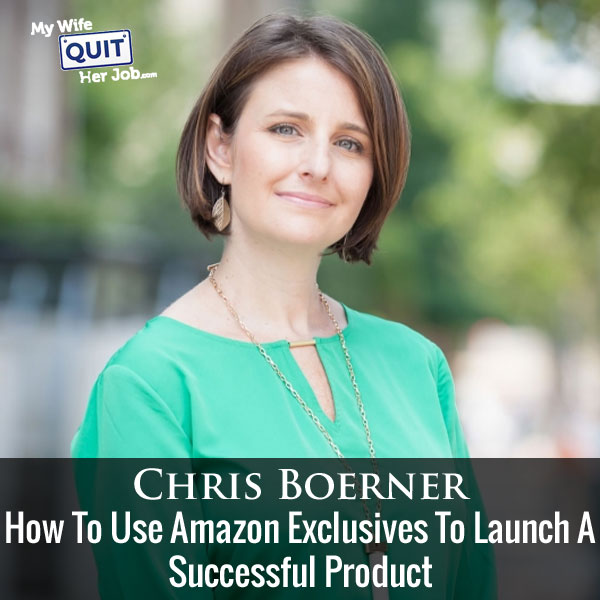
Chris Boerner launched on Amazon by listing her product and going on vacation. No giveaways, no ads, no launch strategy, and it sold.
The product came from a gap she found in bed one night. She had taken medication every few hours since being diagnosed with an autoimmune condition at 14, and searching Amazon for a quality pill holder returned nothing worth buying.
Chris runs cielopillholders.com, making premium pill holders in the United States. She previously worked in corporate strategy and brand management at Starbucks.
This episode covers how she validated the idea before manufacturing, why she chose domestic production at roughly 50% higher cost, what the Amazon Exclusives program provided, and how Chinese knockoffs changed her strategy.
A note on timing: this is a 2016 conversation. Amazon discontinued the Exclusives program in 2019, though much of what it offered now exists through Brand Registry and A+ content.
Get My Free Mini Course On How To Start A Successful Ecommerce Store
If you are interested in starting an ecommerce business, I put together a comprehensive package of resources that will help you launch your own online store from complete scratch. Be sure to grab it before you leave!
Table of Contents
Key takeaways
- Test demand by reselling existing products before investing in manufacturing.
- Domestic manufacturing cost roughly 50% more and enabled daily communication and fast iteration.
- Amazon Exclusives required selling only on Amazon and your own site, plus higher fees.
- The program provided A+ content, monthly merchandising, and fee-free lightning deals.
- Amazon’s PR team sources story subjects from Exclusives sellers.
- Local television coverage drove more sales than magazine or newspaper features.
- Amazon connections speed up listing disputes without preventing them.
- Knockoffs copy images and bullets directly, which makes patentable innovation the real defense.
How do you find a product gap on Amazon?
Look at what you already use and search whether a quality version exists. Chris searched for a nice, quality, and designer pill holder and found nothing in that segment.
The category itself had obvious demand. Thousands of low-quality pill holders were already selling.
The gap was quality rather than category. Nobody was treating it as a functional accessory like a watch or eyeglasses.
Demographics supported the thesis. An aging population that cares about quality goods, plus nearly everyone carrying vitamins or painkillers.
Keyword research quantified it. She confirmed search volume before committing.
How do you validate a product before manufacturing it?
Buy existing products and sell them under your own brand and messaging. Chris sourced pill holders from eBay and tested whether people would pay more.
The website came first. Six weeks of building and professional product photography established the quality proposition.
Her own site got no traffic. Launching a site does not make anyone aware you exist.
Amazon solved the traffic problem. She listed there within a month, meeting customers where they already shopped.
How do you find a domestic manufacturer?
Search for high quality machine shops in your region and call them directly. Chris found her manufacturer through a Google search and a website that emphasized quality and customer commitment.
Regional industry creates capability. Seattle has many machine shops serving aerospace.
Shared values made the partnership. His site talked about the things she wanted her brand to stand for.
He behaved like a partner immediately. He told her at their first meeting that she would become his biggest customer.
The initial investment was about $1,000. Computer-controlled machining avoids the mold costs that force large minimums.
Is domestic manufacturing worth the cost?
For Chris it was, at roughly 50% higher cost than overseas quotes. She built a business model that supported the premium.
Speed and flexibility justified it. She speaks with her supplier almost daily and iterates quickly.
Quality control happens immediately. Problems get addressed rather than discovered months later.
Refinements continue after launch. Even her bestselling products get ongoing tweaks.
The made in USA story carries marketing weight. It sits alongside her philanthropic commitment in her listing bullets.
What did the Amazon Exclusives program provide?
Merchandising, A+ content, fee-free lightning deals, and PR access in exchange for exclusivity. Sellers committed to selling only on Amazon and their own website for an initial six months, at higher fees.
Monthly collections rotated products. Gift guides and category features gave repeated visibility.
A+ content was the biggest practical benefit. Extra images, video, and brand storytelling below the listing, which otherwise cost thousands through Amazon Marketing Services.
Lightning deal fees were waived. The same frequency restrictions applied without the per-deal cost.
New products got automatic placement. A “what’s new” section featured every addition.
Beta programs reached Exclusives sellers first. New Amazon initiatives tested there before general release.
How does Amazon PR work for third party sellers?
Amazon’s PR team sources story subjects from its most visible sellers. Chris was featured in Forbes, the Seattle Times front page, and 13 local news segments in one day.
Third party sellers make up half of Amazon’s sales. That makes them a natural story for reporters.
Local television drove the most sales. It outperformed magazine and newspaper coverage substantially.
Timing amplified it. The television coverage ran on Cyber Monday with her product positioned as a gift.
Seller conferences came with it. Exclusives sellers get invited to top-seller events far above their own volume.
How do you protect a product from Amazon knockoffs?
Brand Registry stops listing hijacking, and it cannot stop competitors creating their own listings. Chris found identical copies using her own images and bullet points.
Hijackers get removed quickly. An email to the Exclusives team takes them down.
Separate listings are harder. Removing stolen images from a competitor’s own listing takes time.
Connections speed disputes without preventing them. Chris notes that even with advocates inside Amazon, resolution takes a while.
Imagery carries the quality message. That plus price is what a listing has to work with.
Patentable innovation is the durable answer. Chris shifted toward defensible product differences.
When should you leave a launch program?
Once your brand outgrows it. Exclusives was designed for early growth rather than permanent participation.
Distribution strategy eventually conflicts. Exclusivity blocks wholesale and other retail channels.
Chris was considering pharmacy wholesale. High-end independent pharmacies fit her product.
Competitive pressure accelerated the thinking. Rising acquisition costs pushed her toward diversification.
How do you build a direct business alongside Amazon?
Move to a platform you control and target narrow audiences with paid social. Chris had 85% of sales on Amazon and was migrating to Shopify.
Facebook fit her niche products. She has variants aimed at specific groups such as people recovering from heart attacks.
Community advocacy was the longer play. Health products create natural advocates among people with chronic conditions.
Her repeat rate supports it. Fifteen percent of Amazon customers reorder without knowing the brand story at all.
Why attach a cause to your product?
Because it deepens the reason to choose you over a cheaper copy. Chris partners with a Seattle autoimmune research institute, which appears in her listing bullets and A+ content.
The connection is personal. Her own autoimmune condition created the product.
It goes past donation. She has toured their facilities, spoken at their events, and met patients.
It stacks with her other differentiators. Made in USA, philanthropic, well designed, and high quality together justify the premium.
Frequently asked questions
What was the Amazon Exclusives program?
A curated storefront giving selected brands extra merchandising, A+ content, and fee-free lightning deals in exchange for selling only on Amazon and their own site. Amazon discontinued it in 2019.
What is Amazon A+ content?
Enhanced listing content below the standard product details, allowing extra images, video, logos, and brand storytelling rather than just bullets and a price.
How do you validate a product idea before manufacturing?
Buy similar existing products and sell them under your own brand and messaging. Chris resold eBay pill holders to test whether buyers would pay a premium.
Is made in USA manufacturing worth the extra cost?
It cost Chris about 50% more and bought daily supplier communication, fast iteration, and immediate quality control. Whether it works depends on whether your margins support it.
How do you find a domestic manufacturer?
Search for machine shops or relevant facilities in regions with related industry, then call directly. Chris found hers through a Google search in aerospace-heavy Seattle.
How do you stop Amazon knockoffs?
Brand Registry removes listing hijackers quickly. Competitors with separate listings are harder to address, which makes patentable product differences the durable protection.
Does press coverage drive Amazon sales?
Yes, and format matters. Local television produced the largest sales lift for Chris, ahead of magazine and newspaper features.
Should you sell only on Amazon?
It works early and creates concentration risk. Chris had 85% of sales there and began building a direct channel as competition intensified.