

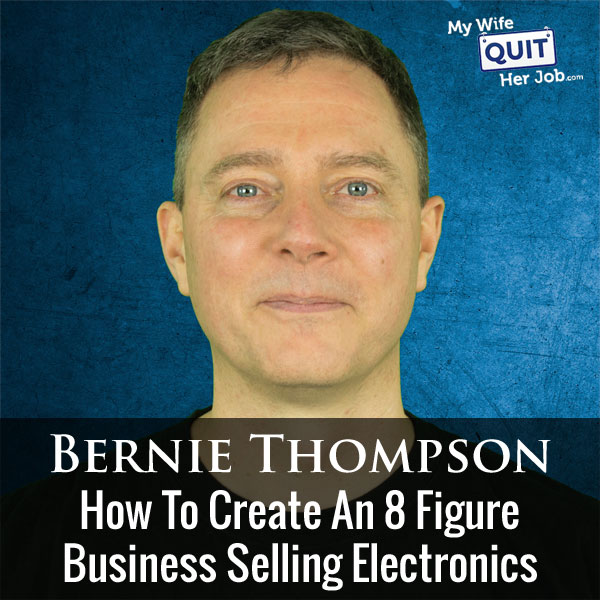
Podcast: Download (Duration: 54:29 — 62.6MB)
Bernie Thompson nets 5% to 10% on electronics after everything, including support. He built Plugable into an eight figure Amazon business on those margins by treating every negative review as a customer service ticket rather than a rating problem.
Roughly one product in four succeeds. The other three sit in inventory for a year or two while the team tries different marketing angles until something catches.
Bernie previously managed the USB and Bluetooth teams at Microsoft and was a VP at DisplayLink. Plugable sells over 110 products globally, and he also runs Efficient Era, the software toolset he originally built in-house.
This episode covers how he selects products in a category with hundreds of competitors, the content marketing that took eight years to compound, and the review recovery process that protects a thin-margin business.
A note on timing: this is a 2017 conversation. Amazon’s tools and review policies have changed since.
Get My Free Mini Course On How To Start A Successful Ecommerce Store
If you are interested in starting an ecommerce business, I put together a comprehensive package of resources that will help you launch your own online store from complete scratch. Be sure to grab it before you leave!
Table of Contents
Key takeaways
- Electronics net 5% to 10% after all costs including support.
- Expect roughly one product in four to succeed, and keep trying angles on the rest.
- Compatibility clarity prevents the negative reviews that thin margins cannot absorb.
- Match negative reviews back to specific orders so you can contact the buyer directly.
- Treat return requests as a service window before the negative review gets written.
- Content marketing compounds slowly, and Plugable took eight years to reach 8,000 YouTube subscribers.
- Amazon rewards click, conversion, and satisfaction metrics with higher search placement.
- Minimum order quantities of 1,000 to 3,000 units mean tens of thousands of dollars per product.
Can you make money selling electronics on Amazon?
Yes, on thin margins that demand operational precision. Bernie puts net margin at 5% to 10% after support and every other cost.
The category is brutally competitive. Plugable faces literally hundreds of competitors on individual products.
Chinese manufacturers hold structural advantages. Most electronics factories sit in mainland China, close to the supply chain.
Review gaming compounded that for years. Competitors accumulated hundreds of reviews in weeks while Plugable took months.
Enforcement improved the odds. Amazon’s crackdown on fake reviews raised Plugable’s success rate back up.
How do you choose which electronics to sell?
Start from the chip sets coming to market, then find factories experienced with them. Bernie tracks what IC makers are releasing and issues RFQs against those.
Compatibility is the primary criterion. Can you make a broad, honest claim that this product connects the things buyers want connected?
Features come second. Every product needs a few choices that move the bar past what already exists.
Price has to be competitive at that feature level. Bernie does not compete primarily on price and will not ignore it either.
Reference designs originate upstream. DisplayLink in Cambridge produces designs that factories adapt to your requirements.
What happens when an Amazon product fails?
You hold the inventory for a year or two and keep testing marketing angles. Minimum order quantities make quick discontinuation impossible.
Bernie compares it to starting a campfire. Several attempts fail and the fourth or fifth catches.
The variable is usually communication. Different feature emphasis or a different customer framing can revive a product.
Expect the ratio to shift over time. Plugable ran near one in two in the early years and dropped as competition intensified.
How do you prevent negative reviews on technical products?
Set expectations precisely so buyers who cannot use the product do not purchase it. Plugable invests heavily in describing exactly what works and what does not.
Limitations get stated upfront. Where compatibility is imperfect, they say so before the sale.
US-based technical staff enables this. Precise product descriptions require people who understand the technology.
The alternative is expensive. Every mismatch becomes a negative review that a thin-margin product cannot afford.
How do you respond to a negative Amazon review?
Treat it as a service request and solve the underlying problem. Most negative reviews in electronics are frustrated requests for help.
Amazon makes contact difficult. Commenting on a review rarely notifies the reviewer and is a poor channel for back-and-forth.
Order matching solves that. Efficient Era matches verified purchase reviews back to specific orders, which gives you a way to message the buyer through Seller Central.
Speed matters enormously. Plugable aims to respond within 24 hours of notification.
Ask lightly once the problem is solved. Mention that an updated review would be appreciated, then stop.
Pressure violates Amazon’s terms. The response rate is good without it, since people whose problem you fixed generally want that reflected.
How do you handle Amazon return requests?
Treat the return notification as a service opportunity before the review gets written. Many customers wait until the refund clears, then leave a negative review.
That window is your chance. Solving the problem often stops both the return and the review.
Sometimes it is worth sending a free unit. On products with few reviews, understanding what went wrong is worth the hardware cost.
The customer comes out ahead. They keep the refund and get a working product.
You gain diagnostic information. Compatibility failures that affect one buyer usually affect others.
What email should you send after an Amazon order?
One, focused on support rather than review solicitation. Plugable sends a single email timed to arrive just before the product does.
Multiple emails annoy customers. Bernie’s tool supports sequences and Plugable still declines to use them.
The review request is qualified. It asks for a review after a few weeks of use.
The email opens a support channel. Replying to it reaches the team directly.
How does Amazon’s search algorithm reward sellers?
It measures whether shoppers click your product, buy it after clicking, and have a good experience afterward. Those metrics feed directly back into search ranking.
Bernie calls it the flywheel. Better metrics produce better placement, which produces more sales and more data.
Top positions become defensible. Displacing an established product requires genuinely better products and experiences over time.
New listings start invisible. Even the best product at the best price sits at the bottom of results without a strategy.
How do you market a new product with no audience?
Publish content aimed at the people whose problem your product solves, and accept that it compounds slowly. Plugable took eight years to reach 8,000 YouTube subscribers and several million views.
Break the product into problems. Identify who has them, what they search for, and what content would help.
Video is easier now. YouTube and Facebook make it far more accessible than it once was.
Start with your strongest audience. Bernie wrote tactical posts and spoke at conferences to reach the most committed group first.
Past content builds future audience. The snowball reinforces itself once it has mass.
Many Amazon sellers skip this. Bernie considers those businesses more fragile without it.
Should you sell on your own site or Amazon?
Plugable directs every link to Amazon. Getting an independent flywheel spinning takes far more effort than the same effort spent on Amazon.
Brand-first buying is rare. Unless you are GoPro or Dell, most shoppers go straight to Amazon and search.
The dependence is genuinely uncomfortable. Bernie acknowledges it while judging the alternative worse.
They do sell elsewhere. Jet, Walmart, and eBay all carry Plugable products.
How do you manage inventory with long lead times?
Track weeks of stock against run rates and use historical context rather than current numbers. Reorders take two to four months and new products can take nine.
Bernie compares it to steering an ocean liner. Today’s decision lands three or four months out.
Current data misleads. A recent sales spike makes stock look dangerously low when it may be an anomaly.
Time series graphs solve that. Seeing sales and inventory over months reveals whether a trend is real.
Frequently asked questions
What margins do electronics sellers make on Amazon?
Roughly 5% to 10% net after all costs including support. That leaves very little room for returns, negative reviews, or pricing mistakes.
How many Amazon products succeed?
For Plugable, about one in four. Failed products stay in inventory a year or two while the team tests different marketing approaches.
How do you contact a customer who left a negative Amazon review?
Match the review to its order, then message the buyer through Seller Central. Commenting on the review itself rarely notifies them.
Can you get a negative Amazon review removed?
You cannot pressure for removal under Amazon’s terms. Solving the customer’s problem and mentioning once that an update would be appreciated produces a good response rate.
How many emails should you send Amazon buyers?
Bernie sends one, timed to arrive just before delivery and focused on support. It includes a review request qualified with “after a few weeks of use.”
How does Amazon decide search rankings?
Click through rate, conversion rate, and customer satisfaction feed back into placement. Products that perform on all three rise and become difficult to displace.
How long does content marketing take to work?
Years. Plugable needed eight to reach 8,000 YouTube subscribers, with past content building the audience for future content.
Should Amazon sellers also sell on their own site?
Plugable does not, judging the effort to build independent demand higher than the return. Most shoppers go directly to Amazon rather than searching for a brand.