
Podcast: Download (Duration: 53:36 — 61.6MB)
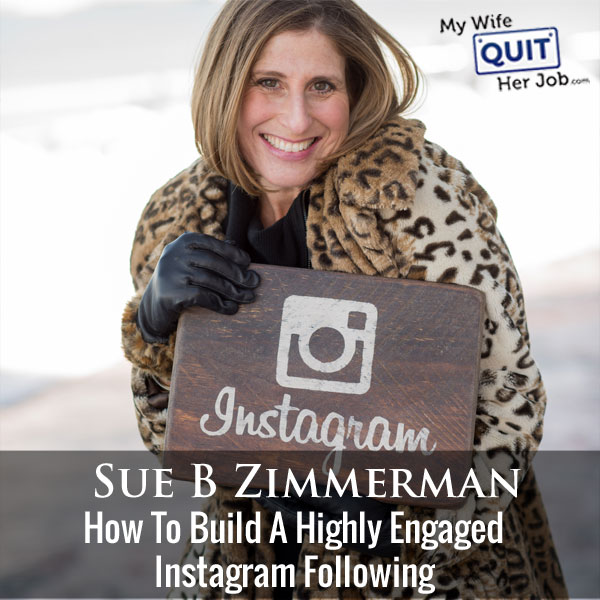
Sue B Zimmerman has roughly 47,000 Instagram followers and gets 200 to 300 likes per post, and she considers that fine. Her measure of success is the 250 email opt-ins Instagram sends her every week.
Followers who never engage actively hurt you. They dilute your engagement rate, which determines how many people see your posts at all.
Sue built a retail store on Cape Cod that grew 40% in a summer from Instagram, then moved into teaching. She runs two Instagram courses and speaks internationally.
This episode covers why she posts less than once a day, how to find buyers through competitor followers, what makes a hashtag worth using, and the ratio of engagement posts to promotional ones.
A note on timing: this is a 2017 conversation. Instagram’s algorithm, features, and business tools have changed considerably since.
Get My Free Mini Course On How To Start A Successful Ecommerce Store
If you are interested in starting an ecommerce business, I put together a comprehensive package of resources that will help you launch your own online store from complete scratch. Be sure to grab it before you leave!
Table of Contents
Key takeaways
- Engagement rate determines reach, so followers who never interact work against you.
- Success is measured in email opt-ins rather than likes, at roughly 250 a week from Instagram.
- Find buyers by browsing the followers of brands your customers already buy.
- Leave specific comments on those accounts rather than generic praise, since everyone checks notifications.
- Posting once every day to day and a half produces better reach than posting more often.
- Who you follow shapes your own feed, so follow selectively rather than reciprocally.
- Check what content actually appears under a hashtag before using it.
- Keep promotional posts to roughly one a week outside of campaigns.
Why do followers matter less than engagement?
Because engagement drives reach, and disengaged followers drag your rate down. Sue is explicit that she wishes people who never interact would unfollow her.
Her own numbers illustrate the point. Roughly 47,000 followers producing 200 to 300 likes per post looks weak until you understand what she is optimizing for.
She names what she does not do. No paid likes, no overseas engagement services, no hashtag automation.
The number she watches is opt-ins. About 250 people a week join her email list from Instagram, which is what she counts.
Her bio attracts the wrong audience partly by design. Listing Instagram marketing means anyone searching those terms follows her, regardless of fit.
How do you find your ideal customers on Instagram?
Browse the followers of brands your customers already buy. For a wedding linens seller, that means looking at who follows the designers those buyers shop.
The filter is intent rather than size. Sue looks for the right followers rather than the largest accounts.
Check individual profiles for evidence. Someone visibly planning a wedding is a prospect, and someone following a brand casually is not.
Venues work the same way. Accounts for the resorts and hotels where your customers hold events concentrate the same audience.
How should you comment to get noticed?
Say something specific about what you are looking at and why. Generic praise gets ignored and reads as spam.
Everyone checks their notifications. That is the mechanism, since a comment puts you directly in front of someone.
Sue’s suggested approach is soft. Note what you noticed about their post and mention they might find your account interesting.
Avoid pitching a purchase. The invitation is to look at your account rather than to buy something.
Volume is modest and deliberate. Five or ten accounts a day, tracked in a spreadsheet.
This works best when starting out. Sue used it under 1,000 followers and no longer needs to.
How often should you post on Instagram?
Once every day to day and a half. Sue finds that posting less produces better reach.
Waiting keeps her at the top of followers’ feeds. More frequent posting appears to work against that.
She is blunt about higher frequencies. Accounts posting three to six times daily would get unfollowed.
Business accounts show you your own timing. Sue’s peak windows are noon to 1pm Eastern and six to eight in the evening.
What is the right mix of engagement and promotional posts?
Roughly one promotional post a week outside of campaigns. During a launch that rises to two or three, or every third post for a major campaign.
The two types serve different purposes. Engagement content pulls people in emotionally, and promotional content drives traffic somewhere.
Promotional posts are less appealing visually and that is acceptable. People genuinely interested in the topic still engage.
The ratio protects your reach. More engagement posts means better algorithmic performance, which means more people see the promotional ones.
Saved posts now count as engagement. Alongside likes and comments, Instagram counts saves and screenshots.
How do you choose Instagram hashtags?
Look at where your target audience actually gathers rather than at raw volume. Sue calls these hashtag hubs.
Check the content under a hashtag before using it. People adopt hashtags without looking and end up beside content they would never want their brand near.
Avoid the largest generic tags. Anything used by hundreds of millions of people gives you no visibility.
Event hashtags are among the most valuable. Sue uses conference tags before, during, and after events to reach attendees.
Location tags matter for local businesses. City and neighborhood hashtags help local prospects find you.
Product-specific tags work for retail. Naming the actual item rather than the category concentrates intent.
Large brand hashtags remain useful for research. You cannot compete inside them and you can learn what works.
Should you follow accounts back on Instagram?
No, and reciprocal following actively damages your feed. What you follow determines what the algorithm shows you.
Sue follows only accounts that give her aesthetic value, entertain her, or teach her something. Following to be polite fills your feed with content you do not want.
The same applies to liking. Double-tapping random accounts trains the algorithm toward that content.
She blocks and reports spam accounts. Doing it consistently reduces how often it happens.
Should you pay for shoutouts or do share-for-share?
Sue declines both. Her position is that you should earn a follow by giving value rather than asking for one.
She turns down paid shoutout requests. Everything she posts is a genuine collaboration or a product she actually uses.
Her objection is audience quality. Paid exposure brings followers who are not the right people for her.
This differs from what other Instagram practitioners recommend. Some build on share-for-share arrangements and paid placement, so it is worth understanding both positions before choosing.
Sue’s answer reflects her own priorities. Community and authenticity over follower count, and she is candid that she wants more engagement and will not force it.
How do you know what content your audience wants?
Ask them directly through surveys and community groups. Sue draws her content from questions asked inside her Facebook group of 6,000 people.
The pain points become the curriculum. Questions people ask for free shape what eventually goes into paid courses.
Learning their language matters as much as their topics. Speaking the way your audience speaks makes your content land.
Physical stores have an advantage here. Sue’s retail staff asked every customer at checkout how they found the store.
The principle is that content serves them rather than you. Sue thinks most Instagram accounts get this backwards.
How do you build a cohesive Instagram feed?
Treat the account as a magazine rather than a series of posts. Each post should stand alone and the whole grid should convey who you are.
Her retail store demonstrated the approach. Alongside products she posted the beach, sunsets, and the overall atmosphere of the location.
Brand consistency runs through everything. Colors, language, and recurring themes tie the account together.
The test is physical. Walking into a well-branded store should feel like walking into its Instagram account.
How does Instagram fit into a broader content strategy?
As one amplification channel for a weekly blog post treated like a launch. Sue publishes a post with an accompanying video, emails her list first, then promotes across social.
Email goes first for a reason. Those people already know and trust her and are most likely to share and comment.
Custom tracking links per platform show what works. Separate links for Instagram, Facebook, Twitter, and YouTube.
The bio link changes with the campaign. It points to her free strategy guide roughly 75% to 80% of the time and switches during launches.
Blog traffic feeds retargeting. Visitors become an audience for paid ads later.
Frequently asked questions
Do Instagram followers matter?
Less than engagement. Followers who never interact lower your engagement rate, which determines how many people see your posts.
How often should you post on Instagram?
Once every day to day and a half in Sue’s experience. Posting less frequently kept her higher in followers’ feeds and improved reach.
How do you find customers on Instagram?
Browse the followers of brands your customers already buy, check individual profiles for buying intent, and leave specific comments on their posts.
What makes a good Instagram hashtag?
One where your target audience actually gathers. Check what content appears under it first, and avoid the largest generic tags entirely.
How many promotional posts should you make?
About one a week outside campaigns, rising to two or three during a launch. Engagement posts protect the reach that promotional posts depend on.
Should you follow people back on Instagram?
No. What you follow and like determines what the algorithm shows you, so following reciprocally fills your feed with irrelevant content.
Should you pay for Instagram shoutouts?
Sue does not, arguing that paid exposure brings the wrong audience. Other practitioners disagree, so weigh audience quality against growth speed.
Should you switch to an Instagram business account?
Yes. The transition is seamless and unlocks post-level insights including reach, impressions, follower demographics, and peak engagement times.