
Podcast: Download (Duration: 46:05 — 53.0MB)
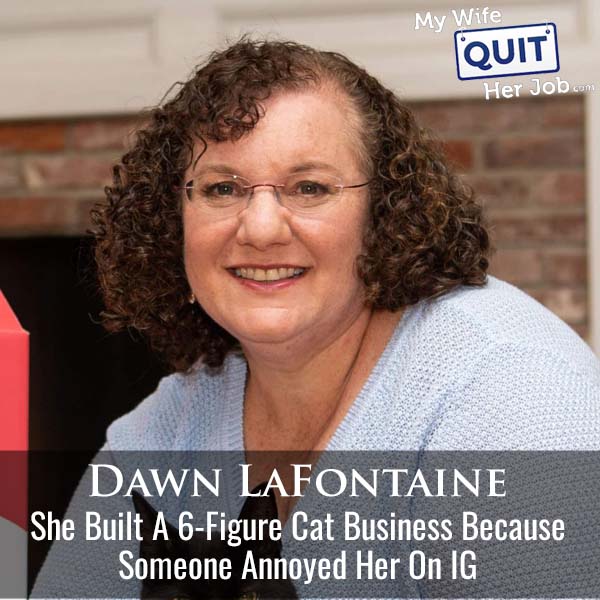
In this episode, I sit down with Dawn LaFontaine, a student in my create a profitable online store course, a former stay-at-home mom who couldn’t get hired anywhere after 27 years out of the workforce and decided to build her own business selling cat toys instead.
Dawn walks us through the painful years she spent trying to make her original cardboard cat house product work, the accidental Instagram moment that led her to the product that actually took off, and her wholesale outreach strategy that closes at 50% without ads.
Enjoy the episode!
Get My Free Mini Course On How To Start A Successful Ecommerce Store
If you are interested in starting an ecommerce business, I put together a comprehensive package of resources that will help you launch your own online store from complete scratch. Be sure to grab it before you leave!
What You’ll Learn
- How A Single Annoying Dm Sparked A 6-figure Cat Brand
- How Dawn Has Scaled Her Pet Products Business
- Real Talk On Turning Passion (And Frustration) Into Profit
Sponsors
SellersSummit.com – The Sellers Summit is the ecommerce conference that I’ve run for the past 9 years. It’s small and intimate and you’ll learn a ton! Click Here To Grab A Ticket.
The Family First Entrepreneur – Purchase my Wall Street Journal Bestselling book and receive $690 in free bonuses! Click here to redeem the bonuses
Transcript
Welcome back to the podcast, the show where I cover all the latest strategies and current events related to e-commerce and online business. In this episode, I sit down with Dawn LaFontaine, a student in my Create a Profitable Online Store course, a former stay-at-home mom who couldn’t get hired anywhere after 27 years out of the workforce and decided to build her own business selling cat toys instead. Dawn will walk us through the painful years she spent trying to make her original cardboard cat house product work.
00:27
the accidental Instagram moment that led her to a product that actually took off, and her wholesale outreach strategy that closes at 50 % without ads. But before we begin, I just wanted to take a second to mention that I have a free e-commerce community that I’m incredibly proud of and would love for you to be a part of. It is a place where real sellers come together to share wins, troubleshoot problems, and support each other through the ups and downs of building an online business. You can join completely free over at mywifequitterjob.com slash community, and I would love to see you there.
00:57
That’s mywifequitterjob.com slash community. Now onto the show.
01:07
Welcome back to the My Wife, Quit or Drop podcast. Today I’m thrilled to have Dawn LaFontaine back on the show. Now, Dawn is a student in my Creative Profitable Online Store course, and she was a finalist in a game show that I ran years ago called The Five Minute Pitch where we gave away $50,000 in cash to the winning business. Now she runs an amazing cat products company called The Cat is in the Box. We’ve just been featured in Parade.com, NBC News, The Boston Globe, US News and World Report, a whole bunch of
01:36
prestigious publications. Now, if you look at her success today, you might think that everything with her business went smoothly. But I’ve chatted with Dawn on several occasions, and I know that she’s had to overcome many struggles with her products over the years. So in this episode, we’re going to break down her journey, all of her triumphs and her setbacks and how she’s managed to bootstrap a successful business for cats. And with that, welcome back on how are you?
02:04
Well, very good, Steve. Thanks so much for having me on again. It’s always a pleasure to talk to you. It is. And I know it’s been a while since we last spoke. And because the episode that we recorded, I think that was years ago, right? So long ago. Just please refresh the audience about your products, your business and how you came up with the idea. Right. So my uh my company is Cat in the Box. I actually started the business after my second kid went off to college. I had been
02:32
a stay at home mother for 23 years, yikes. uh My husband had just been laid off from his job that he’d had for 15 years. I couldn’t, you I was applying for jobs. I couldn’t get a job. And uh I started thinking that if I needed to, if I was going to have a working future that I, you know, I needed to make one for myself. And coincidentally, I was taking my mother’s cats um to her cat sitter with her. And I was looking around her living room, which was just filled with
03:00
you know, old Amazon boxes and I made me think, you know, I’ve already I’m an animal lover. I’ve had cats. I know that they love boxes, but it made me think, you know, why do people put up with, you know, dirty, ugly um shipping boxes in their house? Why not something a little, you know, a little fun, a little interesting to look at? That’s how I started the business. And I remember it. So this is all bootstrapped, right? Completely, completely bootstrapped. And then just some quick facts for the audience. How much did you spend to start this business?
03:28
I spent a few thousand dollars at the beginning just to buy the capital equipment that I needed to make the products that I had in mind. They’re just, it’s really expensive um equipment that you need to um produce these weird shapes of cardboard um that I used to make the boxes. I’ll put some photos of her products in the show notes along with her URL. You guys should check out her site. The products are pretty amazing. Now, last time we spoke, you said you don’t have cats. Is that still the case?
03:57
I do do a lot of cat fostering. Mostly I foster, you know, uh litters of kittens that don’t have mothers. So um I have dogs too. It’s a little hard if you have cats of your own and you want to foster because, um you know, they can catch diseases from, you know, from, and believe me, these kittens have come with all kinds of fun parasites. So, uh so you really, it’s really hard to foster if you have cats of your own. And I really, really want to do the fostering. Okay.
04:27
Okay. So you do have cats to test your products on and everything. All right, last time we spoke and this is a long time ago, I kind of had to refer to some of my notes. We had talked about like some of the challenging economics of making these cat houses to make like the margins work and I noticed you have a bunch of new products on your site too. just walk me through what’s happened, how you dealt with those margins and those problems that you’ve
04:55
And then we could talk about this more too, but I did have to redesign my product several times based on, you know, factors that were outside of my control or even outside of my ability to anticipate them. And so we could talk about that. But the biggest pivot of all was really changing the type of products that I sell. And I really felt like with the cardboard box products and you know this even from when we you may not remember, but from five minute pitch one of the.
05:20
criticisms of the judges was like, how many did you sell? You didn’t sell 50,000 of them like the winner did actually of your products. And they weren’t wrong about that. And it felt like a little bit of a Sisyphusian effort to sell these products. And it finally occurred to me that maybe I needed to sell something different. And so um I did pivot about two years ago to these other products.
05:49
And they’re, I mean, they’re so easy to sell. So, um, and it made me really think that, you know, you can’t sell something that people don’t necessarily want. And I’m not saying that I ended up selling thousands and thousands and thousands of the cardboard boxes. Don’t get me wrong. But I sell thousands and thousands of these thousands and thousands and thousands of these every year, these other products that just, they’re easier to store. They’re cheaper to buy. They’re easier to ship.
06:19
um And people buy them in multiple quantities and then they rebuy them and rebuy them and that’s so different from the other products that I was selling. So that was a big part of my success over the last year was really. Okay, I definitely want to talk about that. um how did you know you needed to pivot? So first off, if you’re in the audience, you don’t know what her products are. sells. The last time I had interviewed Dawn, she was selling these cardboard boxes, which are kind of bulky and they’re kind of heavy to ship and whatnot.
06:50
How did you decide that you needed to pivot? Because if I recall correctly, the boxes is what you got all your press from, right? Because they were really innovative and really cool looking and everything. And I’ve gotten quite a bit of press for these as well. But yes, because there’s two categories of things. One is, do you get a lot of attention for something? I they were really clever. They’re really cute. I’ve even made them more clever and more cute. And that’s one thing. then selling them and being, selling them
07:19
profitably is another. And those are two separate things. And, um know, the attention is a good thing because, you know, well, there used to be more of an SEO benefit to that and, you know, people see it and they buy it and so on. But um it’s not enough to sustain. And uh so my first thought was really just to start adding more products to my store. And I wanted them to be unique. I wanted them to be something that I’d come up with, I designed.
07:48
But when these hit, know, when I got the, I ordered, think 200 of two different designs when I first started selling these wool cat toys and I sold out of like the 400 like immediately. And I thought, oh goodness, well, I better order, you know, double that next time. And it’s just, I mean, it’s just been an exponential growth in sales of these products. Amazing. Are you selling them on your own store, Amazon? Like where are the bulk of your sales coming in?
08:18
It’s really a third, a third, a third I sell. last year may have been, uh we actually talked about this, Steve. I’d had uh completely spontaneous, organic, an influencer with 11 million TikTok followers had posted about the product. I mean, his cat really, really liked it. people bought everything that I sold. I I was completely sold out. So that’s probably where the third on my website came from, because actually I was on vacation at the time. I didn’t have a lot of…
08:47
Inventory in Amazon and people were forced to buy things for my website. They really wanted to buy them from Amazon so it’s a third on my website a third of my business is on Amazon and I would like that to be you know less in the future and a third is Wholesale and that’s the most exciting part of my business for me for a number of reasons and and I really am looking to keep building on that success All right. So how did you come up with these wool cat toys? well, I actually knew this is kind of silly, but
09:16
I got mad because somebody unfollowed me on Instagram. And I mean, this happens all the time. People unfollow you every single day. But I just, the whole Instagram thing is so frustrating and people just unfollowing for no reason. And I just looked to see what this person, know, who this person was who unfollowed me because the name was kind of unusual. And she sold a wool cat toy. And I thought, well, and anyway, that I ended up completely designing the product myself and I have very unique designs. um
09:44
I just put a new one out yesterday that are nothing like what this other person was selling, but one thought leads to another leads to another. And the weird thing is there’s no really good explanation for it, but cats are really obsessed with wool.
10:01
Have you ever wondered how much your business is actually worth? Now I sold one of my businesses through Quiet Light and honestly, just getting that initial valuation changed everything for me. Not because of that number itself, but because of what came with it. My advisor walked me through exactly what buyers would be looking for, how I needed to restructure my accounting, what documentation I was missing, the gaps in my financials that might kill a deal before it even starts, and stuff that I really had no idea that mattered when it came to selling a business.
10:29
And here’s the thing, I wasn’t even ready to sell yet, but knowing what I needed to fix meant that I could actually start preparing and I now had a roadmap. Everyone at Quietlight has built or sold businesses themselves. So my advisor told me what needed to change, it was actually coming from real experience sitting across from buyers. And by the time I was ready, everything was positioned right and we attracted serious buyers. So if you’ve been thinking about selling someday, even if that day feels way far off, just getting a free valuation from Quietlight
10:59
will make a huge difference. You’ll learn what you need to fix right now so you’re not scrambling later. And if you’re interested, go over to quietlight.com. And uh it may be due to um the scent of the lanolin, you the natural lanolin. And this is a really nice wool product. But also I these. So the first product was a wool mouse with a six foot long tail and the six foot long tail combined with the wool cats go berserk. I mean,
11:28
Berserk over this thing. So cats are notoriously fussy, difficult to please, not universally satisfied with anything and almost universally cats like this toy. So it’s a rare thing. Interesting. So the fact that someone unfollowed you and you noticed and then you looked at what that person sold gave you kind of like the idea that this might work. Yeah, I’m like, what is this? Why? Why? You know, it just got me thinking. And so that’s where we went from there.
11:56
So before we move on, can you just run down like the unit economics for the cardboard boxes just to refresh my memory? Like you had this really cool milk milk box, right? I don’t sell that one anymore. You don’t sell it anymore. Oh, man. No, I actually just sold out of all of them. Okay. The last of it there. m I actually looked into having it designed differently. I have a different design actually sitting in my house right now. oh They’re really large. m The way I was selling them before and the way people liked them was they were shipped assembled.
12:24
And so um people liked that they didn’t have to put anything together. It just showed up and all they had to do was take it out of the box and ready to go. you can’t, the economics of the postage really, it’s just too expensive to ship. And I do have a far more compact design, but just people don’t buy those the way they buy the other toys. It’s really hard for me to justify spending that much money to store them and ship them.
12:54
even making them I have to order a bigger quantity of them because it’s just not economical to order. I would love to be able to order 200 of them because people would buy those still. But I can’t order two. I have to order 1,500 of them. And 1,500 is a lot. So are you trying to phase out the cardboard part of your business then? mean, yeah, slowly, I think. Because they still produce some revenue for me.
13:24
you know, I’m, you want to what I have and I may still continue to order, you know, the more popular designs, but even a design that I thought I do a haunted house for cats and it is so freaking adorable. But those have just not, it’s such a brief period out of the year when people buy them and it’s really, really hard to then hold on to what you bought for the next year too. So I would imagine the unit economics for these wool toys is way better.
13:52
It is. Okay. They’re just I mean, everything about them. I mean, you know, just they’re they’re inexpensive to make. They’re inexpensive to store. They’re inexpensive to ship um inexpensive to package. Yeah. So uh walk me through like the thought process. You already have this successful product. You’re trying this new one. uh How many did you have to order of this new one? And how did you like what did you do next? Well, I mean, I’d actually tried some other things. I didn’t actually
14:20
purchase inventory. I had other ideas that I developed, one in particular. And I just decided that that wasn’t what I knew about the, this one required some assembly too. It was not cardboard and I just knew people wouldn’t be able to assemble it. I put that aside. I was referring to the wool toys. Yes. I’m just saying that there were some interim things and this one, I’m sorry. What was the question again then? Oh, it was, you know, you have these successful cardboard box toys and then walk me through how
14:48
you you decide to launch the wool toy. Like, did you just look for a factory immediately, buy a whole bunch or like, was it a longer process? I just wanted to take a moment to tell you about a free resource that I offer on my website that you may not be aware of. If you are interested in starting your own online store, I put together a comprehensive six day mini course on how to get started in e-commerce that you should all check out. It contains both video and text based tutorials that go over the entire process of finding products to sell
15:17
all the way to getting your first sales online. Now this course is free and can be attained at mywifequitterjob.com slash free. Just sign up right there on the front page via email and I’ll send you the course right away. Once again, that’s mywifequitterjob.com slash free. Now back to the show. Right, so um I did start out looking to see if they could be made in China. And this took me down a whole rabbit hole of where’s wool, where’s
15:46
felt it wool made. And I just, I felt really concerned about the ones that were made in China. I couldn’t get them to confirm about what kind of dyes they used. And, and, and they just, it just wasn’t the direction that I wanted to go. One of the things about my cardboard box toys is that they are very environmentally friendly. I make them out of recycled cardboard. They’re very safe for cats and made of inks that are, um you know, et cetera, et cetera. So it was important to me to, to make something that, you know, you know, had some of those sort of social and, and, you know,
16:15
benefits for the pets too. And so I don’t know if you’ve ever seen those wool dryer balls that people have. And I looked into those and where those made, those are made in Nepal. And so Nepal is just a really interesting country to have things made. It’s not like, I have another product made in China. It’s not the same thing at all. They’re not there the way China is in terms of.
16:42
having the infrastructure set up to sell to people in the US is quite the same way. But um it’s a very pro-social way of buying uh goods. For example, I buy these wool toys from a uh craft guild. The felt artisans are low-income women. uh They get a living wage. They’re Fair Trade certified. They get a living wage for making my products. They get health and retirement benefits. They get incentives for keeping their daughters in school. This was something that meant a lot to me. And also the wool. uh
17:11
They import the wool into Nepal from New Zealand. uh New Zealand is known for its laws that protect the sheep in the country. So it’s some of the most ethical wool that you can buy. also some of the highest quality wool. And the items are really beautifully, beautifully made. So very high quality items. I’m really pleased to be able to sell those. Wow. So how did you find these Nepalese? Yeah, I actually ended up, I mean,
17:39
digging and digging and digging and digging. I found some travel website that said, you know, for people who go to Nepal, where, can you buy ethical items? And it was a list of some companies that sold ethical items. And I started calling people don’t respond. You know, that, yeah. And I found actually found two companies that were respond to me and I had them both make samples. And uh this company that I use now is, you know, highly responsive and you know,
18:06
a pleasure to work with. And that’s just how I, you know, I just had them send me some samples. They’re just, um it’s just been a great relationship ever since. In terms of the design, you mentioned you’re designing them yourselves. Are you like a designer or did you work with someone on their end to help you make something that you want? Okay. I don’t know the first thing about felting wool, but I knew it to look a certain way and have certain characteristics to it. so, um and you know, we’ve done this with a few toys now. I,
18:36
I mean, they send you the first one, doesn’t look anything like what you said. exactly. So, you know, keep, well, could you, know, and then back and forth and back and forth. And we just did it through uh videos. They would mail me videos of the thing. uh one of the, I have this felt octopus you probably saw in there. wanted it to really, really, it’s really a beautiful, beautiful thing. And I wanted it to look a certain way. And that took about,
19:01
I think a year of back and forth to get that to just look like that. And, em and so then they send me some and they’re just so easy and nice about it. I mean, they charged me like three bucks for a sample. They send me one sample in the mail, you like just so so you know, and back and forth and back and forth. And so it’s become easier to work with them. um This last design that I did really only took a couple iterations to do. I’m curious since I’ve never sourced from Nepal before.
19:29
are like the unit pricing, is it cheaper or more expensive than China? Because you did research in China also, right? Yeah, I never got to the point of the pricing, though. I would imagine it’s slightly more expensive than China. but but that’s also because of who you know, who’s making it and what what goes into it. These are also like special, azo free dyes and that are more expensive than what than what they use in China. And China wasn’t willing to reveal to you like the chemicals and the certifications and all that. That that was really it.
19:59
you know, that was, I was really concerned. And it just, just weren’t, I was working through an agent and it just, that I’ve worked through before and it just, I wasn’t getting the responses that I needed. I wasn’t getting the product to look the way I needed it to look. And, and I was really concerned about whether it would be safe for cats. Right. What, what about like the minimum order quantities for these factories? they smaller? I could order one. mean, like, they, they, they’re, I mean, and, and I could order
20:29
which I could order thousands, which I just did. mean, they’ll fill thousands. And the infrastructure is all good. Like are these coming over actually for 1000 years of these? Is it still being flown over then? And actually, I’m having them flown over in smaller in smaller quantities. Okay, that is amazing. So these factories must be pretty obscure. And they
20:54
They probably aren’t like full blown factories to like selling the Walmart or something like that, right? No, they’re definitely not. And I think what they actually have are work centers all around the country so that people who are really, really poor and living in these very rural areas, they don’t have to travel to get to work. It’s in their communities. And so, and I have photos of and videos of them making the products and they look like pretty rustic um centers, know, a table, some, there’s not a lot of equipment required to make felted items.
21:23
And the women gather in these places and make the products and then they can go back home to their families. They don’t have to. Amazing. And you did not have to travel there. You did this all kind of digitally or remotely. Right, all virtually. And I would love to travel there at some point to see it all in person, but that’s for the future. OK. All right. So let’s say you get your first sample. Was the octopus your first product? The first one was I had a red mouse with a six foot long tail and a
21:52
a mouse with a rainbow colored tail. oh so how many did you order in that first? Would you just order one? 200 of each 200 of each. Okay, and then what did you do after that? Like you have the product in hand now? did I do with them up on my website? Nobody bought them. I mean, you know, it’s just started to do outreach with em with uh actually my wholesale customers. That was the first way. Okay, so we got a backtrack.
22:20
Did you always have those wholesale customers? I didn’t even realize you had those. Right. So it’s really a growing, growing thing for me, but I had a uh few. So I signed up for fare and I just sat back because I didn’t realize how this whole thing works. I sat back and waited for the orders to come in. And yes, some orders did come in. And then you have a way to connect with people through email and so forth. But then I realized, oh, goodness, I could actually.
22:47
send people to fair and actually get even more profitable business that way. then once that light bulb goes off, I’ve developed a whole process for getting new wholesale customers now. also, posted on social media. People started buying little by little. I have an email list that you helped me with. I have about 5,500 people on my email list. every time I send a newsletter out once a week, I
23:16
people buy them every, week. So that, you know, it trickles. And the thing about it is the cats really like it so much that they people can start buying them for other people. Like they can’t believe like the cat really likes it because cats are so absurdly fussy. And so they buy for other people and then other people buy for other people that really it started to build on of its own word of mouth. Yeah. Amazing. Okay, so you got these couple hundred units of a couple designs, throw them up on your website, emailed your list.
23:44
you had a couple wholesale people inquire about them. Was that enough to just sell out your first batch? I sold those out really, really quickly, actually. Yeah. Amazing. Was it more from the email list or at this point, you didn’t list them on Amazon, right? I think they were yes, and they were on Amazon. that was again, a really, really, and it’s still a slow I mean, I’m not, I’m not doing what you need to do to be successful on Amazon, mostly because I don’t want to and I also don’t know how. But I just don’t. I it’s
24:11
I mean, it’s such a frustrating platform and I know people are so successful on it, but I don’t know that I want to do what you have to do to be successful. I don’t know that my product has the margins to do what you need to do to be successful. I mean, if it does get too successful, someone’s going to knock it off to on Amazon. Okay, great. So that’s all right. So you had it on Amazon, but it sounds like the bulk of your sales was through uh your own channels. Right. Right. Okay. So let’s
24:38
Walk me back. Was this wholesale? that for the boxes or did you start the wholesale? I started it for that. So I really just did not get a lot of orders. The problem with the product is, is that pet stores are really small, excuse me. And even the most compact cardboard box product takes up too much room on their shelves. Okay. And so they were reluctant to buy it and it doesn’t have enough really enough margin in it for them either. So it’s hard when it’s a good product, but it’s not a good product to sell.
25:08
Right? Yeah, that makes sense. Yeah. Okay, so were you I can’t even remember how you got business for your initial boxes. Were you running ads? Or was it just all press mentions? And? Yeah, you know, the ads thing I am, you know, much like the Amazon PPC thing. Don’t really know how to do it and don’t feel comfortable. I just the few times I tried it, it just felt like putting your credit card into a black box and sure, it comes out of it. That’s actually how it works now.
25:37
Yeah, so I really like things that I have more control over. I mean, maybe that’s just a personality trait of my my own. And, you know, maybe I’m being ridiculous, and I should just hand over my credit card and let them do all this. But I but I really like when I do something and have a lever to pull and it really works. And I think that’s why like the wholesale business. Most of all, interesting. Okay, so is that like your fastest growing segment, then by far the fastest growing and the most satisfying to be honest.
26:05
So, you we actually haven’t discussed fair on this podcast. You want to walk people through how to get wholesale orders from fair? What things can you do? I think things have changed a lot on fair, but because I think there’s a lot of non-fairish type of businesses on fair, which is my understanding is that it’s becoming harder and harder for new businesses to be discovered on fair because of it’s just too cluttered. Yeah. But for me, em if I sat around all day waiting for fair to find customers for me, wouldn’t.
26:34
I would not have very many customers. The whole idea is to send your own customers to fair because first of all, you pay 0 % commission on those sales. um second, it’s all on you. You get to control how much business you have. so um yeah, it’s been really working for me to drive people to. But there’s a chicken and egg problem there, right? So the people who buy from you as a consumer, are they going to go to fair?
27:01
So what do you mean by consumer? Do you mean a retail customer? Like, yeah, like, let’s say they buy one from you. They’re not going to go to fair and buy right. Yeah. People buying from you on fair are pet stores, gift stores, natural food stores. em Yeah, that’s about those. Those are the three kinds of businesses really. Those are businesses you had gathered from the box boxes, right? No, those are businesses that I went out and found myself. Okay. So this oh is
27:28
I mean, and let me just say, it took me like two years of trying to talk to other people who do sales and figuring out how to do it. And it’s so simple. And I don’t know why I figure it out sooner, but I tried to get other people who had gone before to tell me how to do it. But the key is, the key is persistence. And I didn’t realize how persistent you have to be, politely persistent, of course, but I literally just had somebody buy for me. I sent them a sample of my product a year ago.
27:58
It took me a year of polite full persistence and they bought from me. And now once somebody buys from me, they will buy from me forever. And so they got a business and they will not return anything and they will pay shipping. And I don’t know. It’s a magical, magical thing. Why are we all not doing wholesale sales? It’s, it’s just, it’s very profitable and no trouble, nothing, no, no issues. And it just magically just,
28:28
you know, uh multiplies itself. Okay, so walk me through this, Don. uh Did you just go down the business listings and just start calling pet stores? More or less? I have a there’s an industry magazine that I start with. It’s a it’s probably rare. It’s a really, really good industry magazine and the most cutting edge of the pet stores. And believe me, in this world of chewy and Amazon, it’s it’s it takes a lot to be successful in this in this business as an independent retailer.
28:57
And these people that show up in this magazine, they write letters to the editor, they send in their suggestions. They are really successful, know, really doing unique things in this field. So those are my first targets. And I just keep a running list of those. Every time I get a magazine, I just look through the magazine, write down the names of everybody who appeared in the letters to the editor or whatever. And I just keep a running list. And I just start at the top of the list every time I’ve got time to make phone calls.
29:24
And I call that person and I offer to send them a free sample of one of my products. what’s your hit rate on that? Oh, my hit rate on getting business. I mean, even them picking up the phone. Oh, well, they don’t have to pick up the phone. It is, you know, I mean, somebody picks up the phone as a store. All I have to do is find out, you know, are they the kind of person that wants to receive a free sample? Because some people tell me, right? No, she won’t, you know.
29:51
you have to send her an email first. That’s fine because that’s the first touch with this customer. And maybe they answer my email. Maybe they don’t. Probably they won’t. But maybe they’ve seen it. And I just keep reiterating who I am, my company, and what I’m sending them. It’s a wool mouse with a six foot long rainbow colored tail. And that alone, I think, you said it to one person. They’ll say, some lady is going to send you a wool mouse to the boss. Or maybe I get the boss on the phone. That’s happened maybe, you know.
30:19
25 % of the time I get the boss on the phone. And so that’s just the first contact. I make a call the first time. Then I mail the thing out right away. um And then I follow up the next time, two weeks, I have HubSpot set to remind me to call them in two weeks. I tried this with a spreadsheet. It doesn’t work. You have to use the CRM software. And it reminds you to call. the next time I’ll send an email, if they don’t respond, the next time I’ll call. And I said it just two weeks, two weeks, two weeks, two weeks, all the way.
30:49
as long as it takes. As long as it takes means until somebody buys from me or until somebody tells me to stop calling them. That’s it. That’s the whole thing. It’s the whole, I wish somebody had told me you have to keep calling because that is the whole, just, and as polite as can be, oh, I’m just circling back to make sure that you, that you got this in the mail. know, I just, you know, things don’t, and they don’t arrive. I mean, sometimes they don’t arrive and I have to send them another one. um Just want to make sure you got it. And then, oh, did you have any feedback?
31:18
Oh, did you let any of the store cats play with it? Did you let any of your own cats in? And just to get them in conversation, whether by email or by phone and until they say, you know, I’ll place an order today or you know, this isn’t going to work for my store. And I will say my hit rate is I’m batting 500. Amazing. Yeah. Okay. That is really high. Half of the people that I start, I sent them a sample and that’s what I count. I sent the sample. Sure. Half of those buy from me.
31:48
Ultimately, so that one who you said it took a year. Does that imply that you were calling them or contact them every two weeks for a year? Yeah, well, I mean, you know, I just mentioned to you before the call, we we did a whole house run out. It was very loud in here for like six months, like so. So there was a gaps where I didn’t call people for every two weeks. But if it was in a normal year, yes, I would call every single two weeks.
32:10
Amazing. Okay, you what I love about this Don is because most people these days they just want to feed some money to like Facebook or Google and like not talk to anyone and do anything and expect business to come. I think what you’re doing with calling with the, you know, you’re the owner calling these stores, the conversion rate is going to be way higher than if you just ran some ads. I mean, this might be your superpower, right? Well, the crazy thing, Steve is you probably know this, but I am a raging introvert. mean, come on somebody ask him.
32:40
My something for me is so against my own grain. I mean, really just not something I would ever. And I think that’s why I avoided it for so long. I sent postcards, I sent emails, I’ve sent, I rewrote my emails. I’ve tried so many different things to get wholesale customers. Those do not work. And sending a sample of a very appealing product and very appealing packaging. I don’t mean to sound, you know, not humble about it, but the product is really great and it’s really in cute packaging.
33:09
and they still will not buy from you if you send it to them. It doesn’t matter. You have to call them. And I actually think of that Robert Cialdini book that you read. There’s the one thing that really struck me was the whole thing about em you make people feel like they’re obligated to you in some small way and like be giving them a key chain. Well, I’m giving them more than a key chain or a pencil or pen, you know, with my robot. I’m giving them an actual product that they actually could just sell to a customer for, you know, 20 bucks or whatever. And um I think maybe that
33:39
obligates them in some small way at least to respond to me, I think. And then once I get to talk to, I mean, I’m enthusiastic about the product, I can talk about the product. Yeah, it sounds so Don, I know you say you’re an introvert, but like I hark back to your presentation at five minute pitch and everything, I would not be able to tell and you’re so talkative, like, you know, we’re checking chatting one on one here and you’re bubbling with energy.
34:02
I almost died before that happened. I that was like the worst thing. sat in that hotel room before that. I didn’t even go to any of You invited me to all of the sessions. I didn’t even go to any of the sessions because I just had to sit in my hotel room and suffer. Okay, all right. So great. this wholesale. So right. This is, you know, what’s funny, I just had someone on the podcast. She didn’t just call. She actually took her car and drove to stores all over the country.
34:31
I did that in my area. live in New England and I did that to all the pet stores in the area. It didn’t work because I didn’t have the follow-up. had I, this time I wasn’t selling this particular product and maybe that was part of it, but the real, and now that I know that from this, merely giving somebody something isn’t enough. really, um it’s the follow-up. The follow-up is the whole thing. I’ve had maybe two people buy from me after they saw the product and without any additional touch points.
35:00
All right, so you must have like a pitch down at this point, right? So pretend like I’m the store. Like what do you say to me? Oh, I just say, oh, hi, I’m Dawn LaFontaine. My company’s cat in the box. I have a product sample that I’d love to send to Arlene. You would she be interested in receiving a free product sample? And everybody, almost everybody says yes. Or the first thing I might say, this would be after, hi, is Arlene in? oh You know, assuming they said, I’m sorry, Arlene’s with a customer, Arlene’s not in today.
35:29
So after that, then I just say that to the clerk. And so then I actually send a paper letter, a real, this is paper. This is Like where you hand write something? No, I mean, I have it on, know, just, you know, letterhead paper. You mean with like a stamp and everything? Well, goes with the products inside the product. And it actually says, you know, like, you know, I’m a small business and I could show it to you, but you know, it, you know.
35:54
that marketing is hard for a tiny company like mine. really, I want you to see the product and the packaging in person um and maybe let a kiddie customer play with it. And I have a QR code that goes right to my fair page. I have the MSRP and the wholesale price right in the letter. That’s it. It’s just like three little paragraphs, not a whole lot, but it’s a letter and who gets a letter these days. em yeah. I remember you were very good at writing also, Don.
36:23
This comes easy to me. This part’s easy. And also, just wrote the same letter. Oh, and in the beginning of the letter, so if I’ve talked to, you know, Chris in the pet store and not Arlene, I’ll say, I spoke to Chris in the store today and she said that you wouldn’t mind receiving a product sample. So I’ve made it clear I’ve called the store. I’ve made it clear. I’ve made a real contact with, know, I took a real interest in their business. I mean, they know if Chris works there, it doesn’t work there, you know, so. Okay.
36:52
All right, so at that point, then, do they just go ahead and buy from fair and they don’t contact you again? No, they never almost never almost never ever. But you just see like this order pop up and fair and I mean, almost never like twice. Okay, that happens. Like literally twice out of 100 calls. The rest of them, they they ignore it. They get the product and they ignore it. Alright, so I’ve had other people who sell wholesale on the podcast.
37:18
And one thing that they told me is you might get that first order, but you sometimes have to follow up to get additional orders. Have you? Is that like on your string of calls or do you not have to do that? In my experience? Almost everyone automatically just gets on a routine of buying from me regularly. But I, know, of course, fair has their own email system and I do periodically sent. don’t people don’t like to be emailed too often from fair and fair doesn’t like you to email them too often.
37:49
But I do keep them on an email list and I send out news every now and then. that definitely does trigger some people to buy, but I don’t know if they would have bought anyway. they just, this is what I said about the magic of it, is I don’t even have to ask for any more orders. The orders just come in. They just buy them. It’s unbelievable. I think maybe like the quality of your product or the uniqueness of your product makes it that way. Cause I’ve had other people on the pod where they’re doing wholesale.
38:15
they have to go in and make sure that the product’s being displayed properly and not hidden on some back of the shelf type of thing. But I think for you, seems like these are small mom and pop shops for the most part. Yes, some are small chains, yeah, regional chains. Yeah, and clearly your product is moving, right? Otherwise they wouldn’t be reordering. And so the combination of those things makes it very hands-off for you, which is amazing. These are like the best.
38:42
like this is the foundation of our business, you know that right? Yes, wedding and the event planners, they just keep ordering and there’s more weddings, they don’t even ask for coupons. They don’t even use the coupon we give them half the time, because they forget, right? They just need it. They need the thing. And so yeah, so that provides a foundation. And then are you even actively trying to grow the retail side because you’d be kind of competing against your wholesale people, right? And mean, because also, mean,
39:10
more than 100 stores in the US and some in Europe now. But these are not in every community. And I actually have a store locator on my website now. think it’s good. That’s awesome. It’s two things. It says to anybody looking at it that these are things in pet stores. You’re not just buying from some crazy lady on the other end of the website, whatever. But you’re in all these stores, you must be legitimate. And also it’s a favor to the stores.
39:38
that you know to I can mention that to them when it was actually a store that that asked me to do it and said you know we get a lot of business from store locators would you consider putting one on your website and it was actually easy enough to do I got some free software to do it was super easy. All right, the other thing I forgot to ask you is you’re not like a technical person right? No. Okay. I mean you’re what you put up your website you added the store locator all this stuff I mean you do you do it on your own or do you hire someone? I mean I’m resourceful.
40:07
I’m not. Yes. That’s what I was getting at. I’m not afraid of it. So and there’s always something you can ask. I I could have asked you, I suppose. But then now there’s chat, GPT or all the videos. And most of these things don’t require any of that. You just literally like do it. It’s it’s not that hard to do. All right. So since we’ve spoken twice and then you start out with that first product and now you pivoted towards these wool toys, if you were to start all over again.
40:37
like with product selection and whatnot, what would you have done differently? I would have taken your advice from the start, Steve. I don’t even know what that advice was. Your wasn’t needed to fit in a shoe box. Do you remember that advice? I do, of course I do. That’s what I should have done. So a couple things don’t matter. How clever the product is doesn’t really matter, actually. You know, it only matters whether somebody wants to buy it.
41:04
And then the other thing that matters is, the, do the economics work? And the shoe box thing is it’s because shoe things and shoe boxes don’t take up as much room as the first products that I started with. What were the unit, what were the margins on the cardboard boxes? I was just curious. You know, it’s really, really harder to say cause first I turned shipping and then now I built the shipping literally could be 30, $40. I’m not. Yes. So, so that was not the case. There was no shipping that cost more than $10 when I first started selling them.
41:33
So the first initial ones that I bought cost less than $6 to buy per unit, $5.50 or so. And then the shipping was $10. It was very reasonable. It wasn’t an unreasonable thing to sell. But now shipping one to California could cost me $40. Crazy. OK, if I recall, these boxes were like $30, $40 or something? Well, right, I had to keep raising the prices to accommodate the free shipping. um
42:01
Yeah, and then it was bulky and and they got damaged in the mail too. So and then I you know, as you know, I um actually redesigned them a couple times they’re more compact. Most those don’t cost more than say $12 to ship the more compact ones. um But that’s still a lot, you know. m And uh well, yeah, anyway. Well, for the people listening who are maybe stuck then like, what are just some signs that you need to pivot?
42:27
Does it feel like you’re pushing a boulder uphill to get anybody to buy it? And, you know, is it really, really hard to convince people to sell it in, you know, in a store? Is it really hard to get somebody just to come to your website and buy it even after you, you know, built up some followers on social media or, you know, gotten some exposure in some way? And then try something else. mean, everything that you’ve learned in starting the first product,
42:55
you get to keep all that. It’s not one bit of wasted effort. You just have to try it with something else. And then how do know when you’ve tried everything though? Like, I know some people just kind of say, oh, I tried that and it didn’t work. I guess you tried for like a couple of years, right? Well, yeah, I redesigned the product several times, found a new manufacturer. I addressed all the issues that customers had with the product. Oh, it doesn’t come with a scratcher. Oh, it’s too hard to put together.
43:24
I changed all of those. I addressed everything I did go through. So then try something else. And if that doesn’t work, mean, you have people on your, I would listen to all your podcasts. You know, it sounds like people are successful right away, but they’re not successful right away. They have 17 failed businesses before. And the only thing that separates them from the people who said, it just doesn’t work is that they just kept going back to the drawing board and trying again. And everything that they learned from the first 17 businesses came to
43:53
play in their successful 18th business. that’s okay. So going forward, uh it seems like you got this wholesale thing down. Are you just going to double down on it? Absolutely. And no house project this year, no noise, I can just make all the calls I want. The actual the bigger problem now is I have so many orders is filling orders takes a lot of time. Yes, I have to address that issue to do I hire someone to retire my husband and make him pack.
44:21
box is for me. Or I guess you could hire someone to do the sales also. And handle the film. Maybe like three PL is perfect for you because it’s small and light, right? It is but it’s expensive. They’re expensive and the margins still aren’t. They’re not I mean, yes, I you know, I pay a few bucks to buy the item and it’s, you know, I sell them for 17 to $25. But you know, there’s
44:49
you know, airfare from Nepal, then there’s the shipping, there’s packaging. So the margins aren’t there really for me, I don’t think for a 3PL. But okay. And also, I’m such a control freak that I don’t know if I could. That is the next step in the breakdown of Dawn. I don’t even know if I can let my husband pack it without checking. He caps me all the time too. And I should be, but you make one mistake on fare. That’s not really good for your fare business. You have to
45:17
you have to get your orders 100 % right. Well, Dawn, this was a great conversation. I’m so glad that you’re doing well and that you’ve… uh I always thought that everything that you’ve made has always been clever. Oh, thank So it was just a matter of finding something where the margins made sense for your time and whatnot. So thank you for sharing your story again. Well, thank you so much for having me on again, Steve. I appreciate it. Hope you enjoy that episode.
45:44
Feel free to go check out Don’s site over at thecatisinthebox.com. And for more information and resources, go over to mywifecoderjob.com slash episode 639. And once again, if you’re interested in starting your own e-commerce store, head on over to mywifecoderjob.com and sign up for my free six day meeting course. Just type in your email and I’ll send you the course right away. Thanks for listening.
I Need Your Help
If you enjoyed listening to this podcast, then please support me with a review on Apple Podcasts. It's easy and takes 1 minute! Just click here to head to Apple Podcasts and leave an honest rating and review of the podcast. Every review helps!
Ready To Get Serious About Starting An Online Business?
If you are really considering starting your own online business, then you have to check out my free mini course on How To Create A Niche Online Store In 5 Easy Steps.
In this 6 day mini course, I reveal the steps that my wife and I took to earn 100 thousand dollars in the span of just a year. Best of all, it's absolutely free!