Podcast: Download (Duration: 46:45 — 53.8MB)
The moment you put someone on a pedestal is the moment they start looking down on you. That is Selena Soo’s favorite saying about approaching influential people, and it explains why most outreach fails before a word is exchanged.
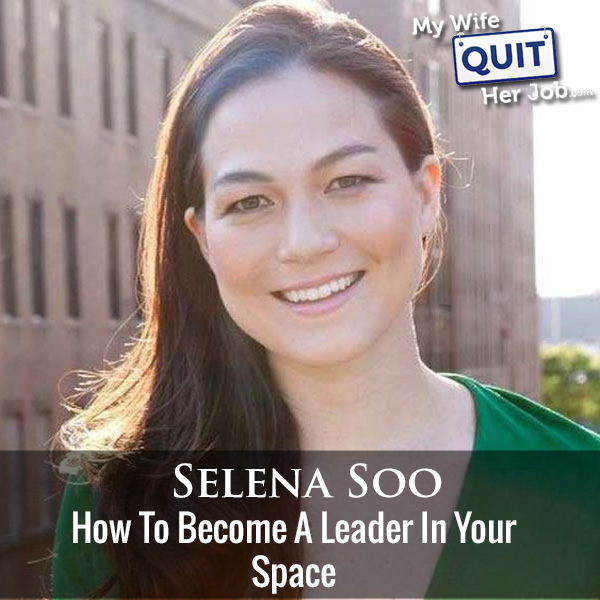
Selena is a publicity and marketing strategist who helps authors and coaches become recognized leaders in their space. She has worked with Danielle LaPorte, Kimra Luna, and Farnoosh Torabi, and has been endorsed by Marie Forleo and Ramit Sethi.
Below is how she built those relationships from nothing, when pro bono work is worth doing, the two ways people ruin a first impression, and how to think about publicity strategically.
Get My Free Mini Course On How To Start A Successful Ecommerce Store
If you are interested in starting an ecommerce business, I put together a comprehensive package of resources that will help you launch your own online store from complete scratch. Be sure to grab it before you leave!
Table of Contents
Key takeaways
- Being interested in someone is what makes you interesting to them.
- Free work is not actually free for the recipient, so you have to sell them on why accepting it is worth their coordination time.
- Build three to four meaningful relationships at a time rather than spreading yourself thin or betting everything on one person.
- The two failure modes when approaching someone are freezing entirely and delivering a monologue.
- A 13-paragraph email makes the recipient feel guilty, which is the opposite of what you intended.
- Publicity is universally understood in a way that business metrics are not, which is why it moves people who would not otherwise notice.
- Match the publicity channel to your business model: podcasts suit high-ticket offers, TV suits volume and credibility.
- Hiring a PR agency before understanding publicity yourself usually wastes money.
How Selena Soo built her first influencer relationships
Selena’s path started with a quarter-life crisis in her mid-twenties. Looking for help, she found a women’s life coaching group that exposed her to thought leaders like Marianne Williamson, Louise Hay, and Deepak Chopra.
What struck her was that she and most people were not short of information. They were short of inspiration, and these people embodied a message of possibility.
Her peers had no idea who any of them were, and that gap became her work: getting people doing genuinely valuable work in front of the mainstream.
The Ramit Sethi encounter
Ramit Sethi was her favorite blogger, to the point where she once forwarded a single post to 30 friends, most of whom did not respond.
Walking home from a summer internship during graduate school, she saw him outside his apartment building in slippers, helping his parents into a car. She was on the phone with her mother and hung up.
She introduced herself, said she was a huge fan and had read his book, and they started talking.
Her framing of why that worked: everyone’s favorite topic is themselves, and it is the easiest thing for them to talk about. She had a great deal to say about his book, his blog, and the impact both had on her life.
That led to his New York meetup list, where she met Derek Halpern the same way, and where Ramit was surprised to learn they had met five minutes earlier.
The five hours that changed the relationship
The moment that shifted things came later. Ramit emailed his list asking for a couple of minutes of feedback on homepage mockups for a site redesign.
Selena was in an entrepreneurship class. She left, went to the library, assembled an impromptu focus group of people and friends, and spent roughly five hours gathering opinions and writing up her analysis before emailing it that evening.
He had expected five minutes or no response. He shared her work with his team.
Why this is not about living in New York
Selena is emphatic that the point is not bumping into someone on the street. Most people cannot wait for opportunities and have to create them.
Her observation is that opportunities are usually already present and unused. Your favorite author or course creator is speaking at a conference you are attending and you are too afraid to approach them. A friend knows someone who interviewed them and you never ask for an introduction.
The first step was seizing an opportunity that existed.
When pro bono work is worth doing
Selena built her reputation by helping people before there was money involved, and she is careful about how she frames this.
Her approach early on was offering to help with a defined project: a month, six sessions, or a three-hour deep dive. The ask attached to it is a testimonial if the work is exceptional, and a referral if they think of anyone who would benefit.
With Danielle LaPorte she helped for free years before starting her business, connecting her to people at media publications. Later she ran influencer marketing for LaPorte’s White Hot Truth book campaign as paid work.
With Ramit she has never asked for payment and does not want it. He helps her enough that she can text him once a year and he is there.
Why “can I help you for free” gets ignored
I have turned down pro bono offers repeatedly, because I then have to work out what to give the person, whether I can trust them, and what their skills actually are. It becomes another complication.
Selena’s response is that free work is not free. The recipient still coordinates with you, possibly puts team members in touch, and absorbs real consequences if you do a bad job.
So you have to sell them on why accepting is worth it. Highlight your specific expertise and arrive with ideas already formed rather than asking what they need.
Her own outreach is concrete: I would like to introduce you to this person, I think you would find the connection interesting for this reason, I have known them for a couple of years, would you be interested.
What you need in place first
You do not need a website, and you do need something findable. If someone Googles you and finds nothing, the question becomes whether you are a real person.
A LinkedIn profile with a summary covering what you do and your expertise, linked in your email, is the minimum. It establishes that you are a professional with relevant experience, possibly with mutual contacts.
How many relationships to build at once
Selena is direct that spending all day on pro bono work makes it hard to build a business.
Going above and beyond is the only way to get noticed, and you can only do that for a limited number of people, so be selective. She looks for genuine synergies where she can create real value.
Her recommendation is three to four meaningful relationships at a time, alongside other growth activities. Concentrating everything on one person creates a desperation dynamic where your future depends on them.
She also declines to build relationships with people purely because they are famous, if they are not good people or have a bad reputation.
Now, running a multi-seven-figure business, she still helps people constantly without thinking about it, because that is what you do for people you care about.
The two ways people ruin a first impression
The first is total avoidance: standing frozen at the edge of a group, or seeing someone and walking the other way.
The second is saying too much. Selena describes 13-paragraph emails that function as one-way monologues with several questions embedded.
The psychology is understandable. You feel you have one shot to make an impression and prove yourself, so you overshare.
The problem is what it does to the recipient. A brief reply to a very long email makes you look rude, so the sender has effectively made you feel guilty, which was the opposite of the intent.
Selena has done it herself. She won an hour with a magazine editor at a charity auction and spent most of it talking about herself.
Her fix is thinking of it as a friendship, which involves back and forth. Prepare two or three points you want to land, come with questions to ask, and let the conversation be organic.
Why putting someone on a pedestal backfires
When you decide someone is amazing and successful and you have nothing to offer, you create a dynamic where they are everything and you are nothing.
People feel that. It affects what comes out of your mouth, your energy, and how you follow up.
Selena’s view is that everyone is equal as human beings. Recognizing someone is busy or has expertise you value is different from believing you are worthless.
The fastest way to level the field is showing the value you have, by sharing your own expertise and finding a way to give back.
How I approach it
My own method is not discussing the thing they are known for at all. I talk about family, kids, and ordinary common ground, then steer toward something where I am the expert and they are not.
I also try not to fanboy, because I think excessive praise instantly places you a rung below them.
Selena’s response is that showing what you bring to the table matters, because it prompts the other person to ask what you do.
Her extension is that your expertise does not need to relate to your business. She describes meeting a successful entrepreneur with seven children and immediately wanting her time management and delegation methods.
How to handle nerves
Selena describes herself as introverted, and her method is moving the focus off yourself.
The internal dialogue that ruins an approach is what will they think of me, how do I look, what will I say, I hope I do not mess up. In the Ramit encounter the focus was entirely on him.
She still gets nervous with big influencers and sometimes feels she got it wrong. Against a handful of those moments are hundreds of connections that went fine.
Her illustration: someone at an event told her she had felt bad all day about something she said in their earlier conversation, and Selena had no memory of it and had simply thought the person was great. We invent stories about being unworthy and that is what actually creates the problem.
How to think about publicity strategically
Publicity is one of the fastest ways to grow a business, largely because of how universally it is understood.
Selena’s framing: tell your parents you had 700 people live on a webinar and they will ask what a webinar is. Tell them Forbes or Business Insider featured you and relatives, high school friends, and people you had forgotten emerge from the woodwork.
That matched my experience exactly. My mother did not understand what I did, was baffled that people paid for it, and only concluded it was real after a feature ran.
She is clear this is not the most meaningful measure. Results for your students and clients matter more. Publicity is simply legible to everyone.
Matching the channel to your business model
Publicity strategy depends on your goal, which is more specific than growing your business.
Selling tens of thousands of books is a volume goal. Filling a $10,000 coaching program needs ten of the right people.
Podcasts suit experts with courses or high-end coaching, because a listener spends 30 to 60 minutes with you in something resembling a coffee table conversation and comes away feeling they know you.
Television is a substantial credibility boost and reaches volume, and the average viewer may not be right for a $10,000 program, while someone who invested an hour listening to you might be.
How to develop a story idea
Get clear on what you want to be known for, connected to your business model.
Then build a story idea, remembering that it is about the readers rather than about you. The prompts Selena uses: where do people get stuck in your work, what is the number one question you get asked, what is the fastest way you can help someone achieve a specific goal.
Journalists also respond to things that are interesting, sensational, or surprising, including rags-to-riches stories and large concrete results.
Then send an email pitch.
Finding who to pitch
For podcasts it is usually the host, sometimes through a specific contact form they ask you to use.
Where no email is published, options include being on their list and inferring the format, using a hello or info address, or going through someone who has already appeared on the show.
For television, call the station and ask who covers that type of story.
Her summary: the information is accessible, it just takes outreach.
Should you hire a PR agency?
Not as an early stage business owner, because it is expensive and because you need to understand how publicity works before handing over $5,000 or $10,000 a month.
Nobody will care more than you, and you know your own story best.
The failure mode she describes is agencies optimizing for mentions rather than for your business. A random blog mention or even a podcast appearance can produce nothing if you do not know how to leverage it or build relationships from it.
If you do hire someone, the best PR relationships are collaborative, where you lead and oversee rather than delegating entirely and hoping.
What if you do not want to be the face of your business?
Someone still has to do the interviews. You do not personally have to be the public face, and there needs to be a person delivering the calls to action and the messaging.
That person can be someone other than the owner, and the owner still needs base-level knowledge of the publicity strategy.
Why relationships preceded everything in my own business
My businesses did not take off until I started attending conferences and meeting people, and that holds for both the blog and the ecommerce store.
It is genuinely hard to attach a dollar value to that. Things simply did not start happening until the relationships existed.
You can find Selena at SelenaSoo.com.
Frequently asked questions
How do you approach an influencer without being ignored?
Focus on them rather than on yourself, arrive with specific ideas rather than asking what they need, and keep it conversational instead of delivering a monologue. Selena Soo’s principle is that being genuinely interested in someone is what makes you interesting to them.
Is offering free work a good way to build a relationship?
It can be, provided you sell them on why accepting is worthwhile, since free work still costs the recipient coordination time and carries risk if you do it badly. Offer a defined project rather than open-ended help, and ask for a testimonial if the work is exceptional.
How many relationships should you build at once?
Three to four meaningful ones at a time, alongside other growth activities. Going above and beyond is the only way to get noticed and you can only do that for a few people, while concentrating on a single person creates a desperation dynamic.
What is the biggest mistake when emailing someone influential?
Sending a very long message with multiple questions. It functions as a monologue and makes the recipient feel guilty about replying briefly, which is the opposite of the impression you wanted.
Why does publicity matter more than other marketing metrics?
Because it is universally understood. Business results mean more, and a magazine feature is legible to family, friends, and prospects in a way that webinar attendance or revenue figures are not.
Which publicity channel should you target?
Match it to your business model. Podcasts suit high-ticket coaching and courses because listeners spend 30 to 60 minutes getting to know you, while television delivers reach and credibility better suited to volume goals.
Should you hire a PR agency?
Not before you understand publicity yourself, particularly as an early stage business. Agencies often optimize for mentions rather than business outcomes, and a mention you cannot leverage produces nothing.
How do you get over nerves approaching someone successful?
Move the focus off yourself and onto them. Selena describes herself as introverted and notes that the internal dialogue about how you look and whether you will mess up is what actually causes you to mess up.