

Podcast: Download (Duration: 34:14 — 47.3MB)
My wife and I deliberately cap Bumblebee Linens at 10% to 20% growth a year, because faster growth means hiring more people and hiring more people is the single most stressful part of running the business. Growing beyond that rate would mostly serve ego rather than any goal we actually have.
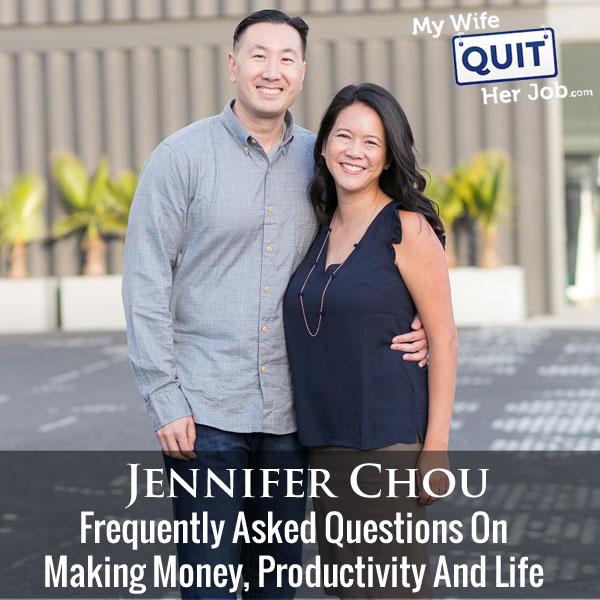
This is episode 200, and for it I handed the microphone to my wife Jennifer and let her interview me. She knows the business inside out and she knows when I am overstating things, which made for a more honest conversation than the usual format.
We covered what my day actually looks like without a job, how I prioritize work, why we would pick a different product if we started over, the realistic timeline before a business pays off, and what we find genuinely stressful about the whole thing.
Get My Free Mini Course On How To Start A Successful Ecommerce Store
If you are interested in starting an ecommerce business, I put together a comprehensive package of resources that will help you launch your own online store from complete scratch. Be sure to grab it before you leave!
Table of Contents
Key takeaways
- We deliberately hold growth to 10% to 20% a year, because that pace is achievable without adding stress or headcount.
- Growing a profitable business beyond what you need is usually ego, unless you are building toward a sale.
- Aim to accomplish one meaningful thing per day. Anything beyond that is a bonus.
- Dedicate one morning or day a week to thinking about what to do next rather than executing.
- Think in three to five year timeframes. Students who quit usually quit within six months.
- The blog produced no revenue for three years and then grew exponentially.
- Sell something that solves a pain point rather than a nice-to-have, since the content marketing writes itself.
- Combine a discovery channel like written content with a relationship channel like a podcast.
Why deliberately limit your business growth?
We agreed to grow Bumblebee Linens at 10% to 20% a year because faster growth requires more employees, and managing employees is what we both find most stressful. Jennifer knows she is holding the business back and prefers it that way.
The staffing math is the whole argument. Someone calls in sick and we backfill, someone leaves and we hire, and every increment of growth adds more of both.
We have been fortunate with the people we have hired, and the stress comes from the structure rather than from the individuals. A small business with a small team is genuinely easier to live with.
The other half is that we do not spend much. What the business makes is more than enough, so the case for scaling harder comes down to ego.
The exception is a sale large enough to change your life. Absent that specific goal, there is little reason to add complexity to something that already works.
Would you ever sell a business you enjoy running?
Selling makes sense when you have something better to put the money into. As long as running it is still interesting and we have no alternative use for the proceeds, there is no reason.
Our position at the time was mostly cash and waiting for a downturn to deploy it. Adding more cash to a pile you already do not know what to do with solves nothing.
What does a day look like after quitting your job?
I wake the kids at 7am, have breakfast with them, and start work around 8am once Jennifer takes them to school. I work in a locked room until roughly 12:30, which is a solid four-hour block.
Lunch happens with Jennifer two or three times a week. Afternoons are exercise and maybe another couple of hours of work before school pickup at 4:30.
Nights are the difference from my working years. Back then I worked from after dinner until 10 or 10:30, and now I do not work nights at all.
How do you balance work and family without a boss?
Block out time for family first and refuse commitments that would consume it. Weekends and most afternoons belong to the kids, and I avoid projects large enough to threaten that structure.
I have not solved this. The honest problem now is being slightly under-stimulated and occasionally bored, because the amount of commitment that protects family time is less than the amount that keeps me interested.
That is the tension: commit enough to stay engaged and not so much that family time goes. I am still calibrating it.
How do you stay productive without a manager?
Prioritize by revenue impact, plan the next day the evening before, and aim to accomplish one thing. Anything beyond one is a bonus.
That priority test is also what gets me in trouble at home. When Jennifer asks me to do something, I ask what it will do for the bottom line, and sometimes her task ranks below several of mine.
Low daily targets are the point. I want forward progress every day rather than ambitious goals I miss.
One morning or one full day each week goes to thinking rather than doing. Deciding what to work on next deserves dedicated time.
Do you need to be an extrovert to build a business?
Extroversion helps with the marketing side and it is not a requirement. Introverts build successful businesses regularly, and they do have to put themselves out there periodically.
Being introverted means you draw energy from being alone, and it does not mean you are socially weak. Jennifer is genuinely extroverted at conferences and then needs several hours alone in the room to recover.
I describe myself as an ambivert. I enjoy meeting readers and listeners at events, and there are plenty of times I would rather be by myself.
How do you manage stress as a business owner?
Exercise is my mechanism. Running or lifting weights is where anger and stress go, which is exactly why an injury that stopped me exercising made a difficult year worse.
Jennifer reads instead. Quiet time alone in a room with a book does for her what the gym does for me.
What is most stressful about running a business?
People. On the ecommerce side it is managing employees, keeping them happy, and making sure orders go out.
That experience is why I keep My Wife Quit Her Job deliberately lean with no employees at all. I use contractors for recurring tasks like podcast editing and nothing more.
Adding headcount is the conventional way to scale, and I have no desire to do it. That preference shapes which businesses I am willing to build.
What is most rewarding about running a business?
The blog and podcast are more rewarding than the store, because I interact directly with the people who consume them. I meet them face to face at the Sellers Summit.
The ecommerce business produces less of that gratification, and it does produce genuine pleasure of a different kind. Seeing our products appear in a publication and reading customer testimonials both count.
The real return from both is freedom. Recording a podcast at 3pm on a weekday is the concrete version of what the businesses bought us.
What would you sell if you started an ecommerce business over?
Something that solves a real pain point rather than a nice-to-have. Our products are vitamins rather than painkillers, which makes them harder to market.
I would also pick something I could create content about. I cannot write for our craft blog, cannot make YouTube videos about wedding linens, and cannot podcast about handkerchiefs, which leaves paid advertising as my only lever.
Passion for the product is not strictly required and it clearly helps. Without it you lose access to every content channel and have to buy all your traffic.
How would you build an audience if you started over?
I would start with the podcast rather than the blog. People recognize me from the podcast almost exclusively, despite my having blogged since 2009 and podcasted for four years.
Succeeding at content marketing now requires more than one medium. Writing plus podcasting, or writing plus YouTube, because each does something the other cannot.
Written content that ranks in Google produces traffic indefinitely with no ongoing work. That is your discovery channel.
A podcast converts existing fans into permanent ones. Podcast listeners tend to stay listeners for life, which is why you want both: one medium to generate leads and another to deepen them.
Why not start more ecommerce businesses if you teach ecommerce?
Because I already have four businesses in four different industries and prefer diversification over concentration. An ecommerce store, a blog, a podcast, and a conference cover genuinely different ground.
Ecommerce works well when you need money quickly, since you sell a product and receive money. It also requires more labor, which in our case means a warehouse and employees.
Another store, blog, podcast, or conference would add nothing to the mix. If I start something new it will likely be software or SaaS, purely to diversify further.
Where is ecommerce headed?
Private label is the requirement going forward. Selling other people’s products means other sellers offer the identical item, and identical products on the same marketplace produce price erosion with no floor.
Owning a brand is what protects your pricing. People buy from you because of you rather than because you happen to have the item.
The best position holds both. Your own brand plus a genuinely superior product is the durable version.
How do you get past analysis paralysis and actually start?
Start small with money you can afford to lose entirely. Analytical people want a definitive answer before committing, and business does not provide one.
Jennifer and I probably would not have started ours without external pressure. She wanted to quit her job for the kids and we needed two incomes for a house in a good school district, which forced the decision.
The first sale is what changes everything. Until you have one, you stay squeamish, and after it you have enough confidence to continue.
How long before a business becomes profitable?
Think in three to five years while most people think in six months to a year. That gap explains most failures.
The pattern in my course is consistent. Students who stay past a year generally do well, and those who quit usually quit within six months.
Our own numbers back it up. The store took about a year to work and most of the gains came afterward, ten years in. The blog produced nothing for three years and then grew exponentially.
Most of your returns arrive after year one. You need enough runway to reach them.
Why do masterminds and conferences change businesses?
Running a business is lonely, and sharing experiences with other operators is the fastest way to improve. Nearly every significant change we have made in our businesses followed a mastermind or a conference.
I was in five masterminds at one point, which turned out to be too many. Even so, the return on each was real.
Conferences produce the same effect. Traffic and Conversions, Social Media Marketing World, and a small trip with other entrepreneurs each sent me home with a substantial list of things to implement.
The podcast is my own relationship-building mechanism. A conference gives you a few minutes with someone, and a podcast gives you a full hour of their attention, which builds something real.
For introverts, the advice is simply to bring a friend. Having one person you can spend the whole event with removes the hardest part.
Frequently asked questions
Should you deliberately limit your business growth?
If growing faster means hiring more people and adding stress you do not want, capping growth is a legitimate choice. Beyond covering your needs, aggressive scaling usually serves ego rather than a specific goal.
How many things should you try to accomplish in a day?
One meaningful thing. Anything beyond that is a bonus, and consistent forward progress beats ambitious targets you miss.
Do you need to be passionate about what you sell?
Not strictly, and it opens doors that are otherwise closed. Without interest in your product you cannot realistically produce content about it, which leaves paid advertising as your only traffic source.
Should you start with a blog or a podcast?
Both, if you can. Written content that ranks in search brings ongoing discovery, and a podcast turns casual readers into long-term fans.
How long before a new business makes money?
Plan on three to five years. Most people quit within six months, and most gains arrive after the first year.
Is private label necessary to succeed in ecommerce?
Increasingly, yes. Selling products other people also sell leads to price erosion, and a brand is what lets you hold your pricing.
What is the hardest part of running an ecommerce business?
Managing people. Employees calling in sick, backfilling shifts, and hiring replacements are consistently the most stressful parts of the operation.
How do you get started when you overthink everything?
Invest a small amount you can afford to lose and treat it as a test rather than a commitment. The first sale is what gives you the confidence to continue.